In industrial automation and process control, safety is paramount. One of the most critical components in achieving the required safety levels is the Safety Integrity Level (SIL) certification. Among various safety components, the SIL 3 communication relay plays a pivotal role in maintaining the integrity and safety of industrial systems. These relays are designed to handle safety-related tasks, ensuring that even in the case of system failures, a safe state can be maintained. This article explores the functionality, features, and applications of the SIL 3 communication relay.
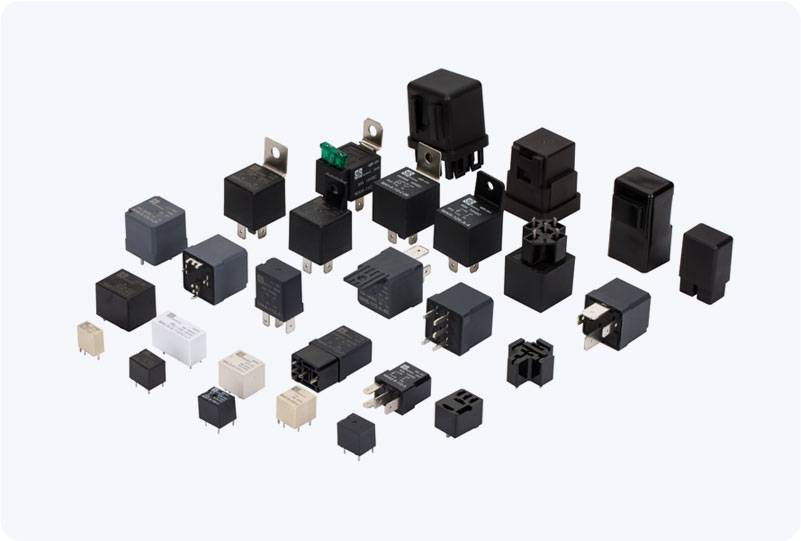
What is a SIL 3 Communication Relay? SIL 3 communication relays are safety-critical components used in industries where high levels of safety and reliability are required. The term “SIL” stands for Safety Integrity Level, a concept defined in the international standards IEC 61508 and IEC 61511. These standards assess the likelihood of a hazardous event occurring due to failure in a safety-related system. SIL levels range from 1 to 4, with SIL 4 representing the highest safety integrity.
A SIL 3 relay indicates that the device has been designed and tested to meet a failure rate of less than 1 failure in 10 million hours of operation. This means that the relay is highly reliable, ensuring that safety systems can continue to operate effectively, even in the event of faults.