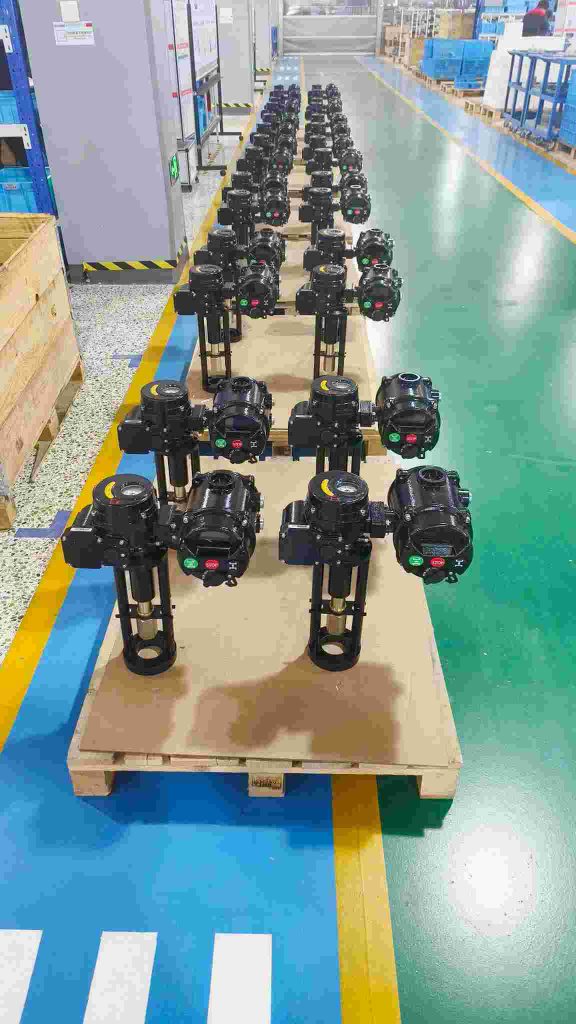
In the rapidly evolving landscape of technology, automation and control systems are at the forefront of innovation. Among the pivotal components driving this transformation is the Intelligent Integrated Actuator (IIA). This advanced device combines the functionality of traditional actuators with sophisticated control algorithms and communication capabilities, enabling smarter and more efficient systems across various industries. This article explores the significance, working principles, applications, and future prospects of Intelligent Integrated Actuators.
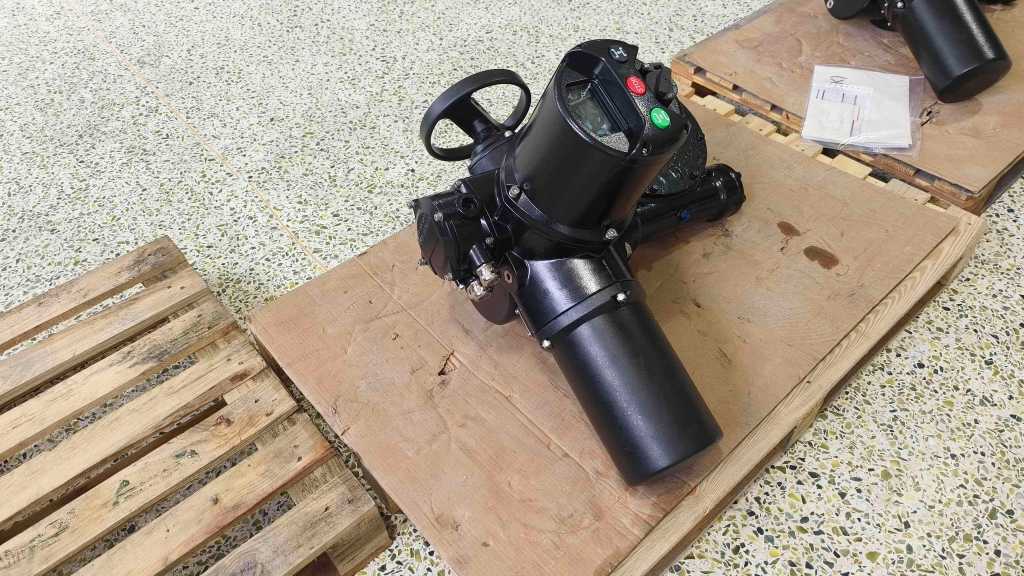
Understanding Intelligent Integrated Actuators
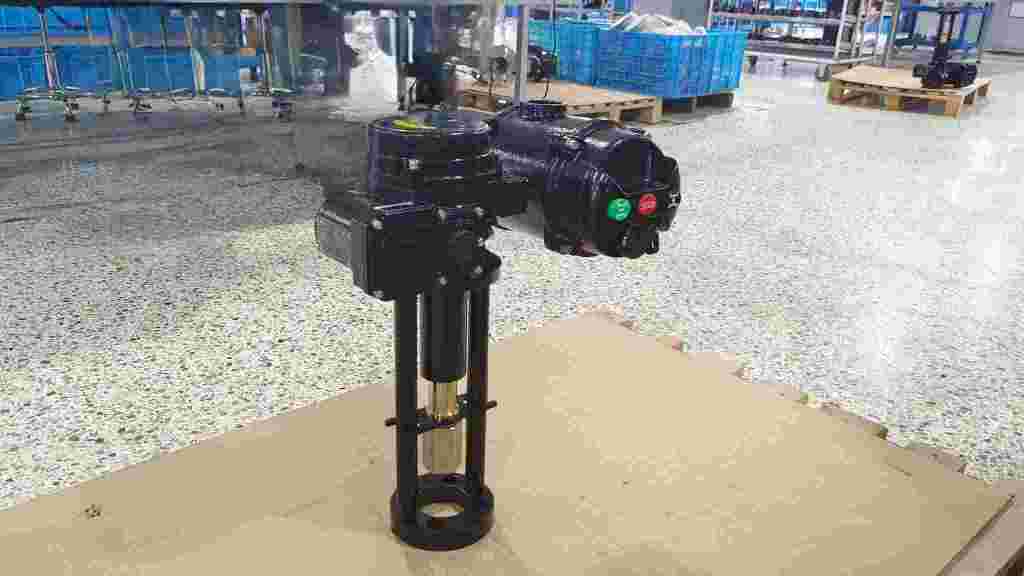
An Intelligent Integrated Actuator is essentially a compact device that merges an actuator, which converts energy into mechanical motion, with integrated intelligence. This intelligence typically encompasses sensors, controllers, and communication interfaces, allowing the actuator to make autonomous decisions based on real-time data. Unlike conventional actuators, which require external controllers and may lack feedback mechanisms, IIAs can monitor their performance and adapt their operations accordingly. Key Components and Functionality Actuator Mechanism: At the core of the IIA is the actuator itself, which can be electric, pneumatic, or hydraulic. This mechanism is responsible for performing physical tasks, such as opening a valve or moving a robotic arm.