As the demand for energy storage solutions continues to rise, lithium-ion batteries have become a cornerstone technology in various applications, from consumer electronics to electric vehicles and renewable energy systems. Among the critical components that ensure the efficiency, safety, and longevity of these batteries are stainless steel lithium battery valves. These valves play a pivotal role in maintaining the operational integrity of lithium batteries, preventing catastrophic failures while enhancing performance. This article delves into the importance, functionality, and benefits of stainless steel lithium battery valves.
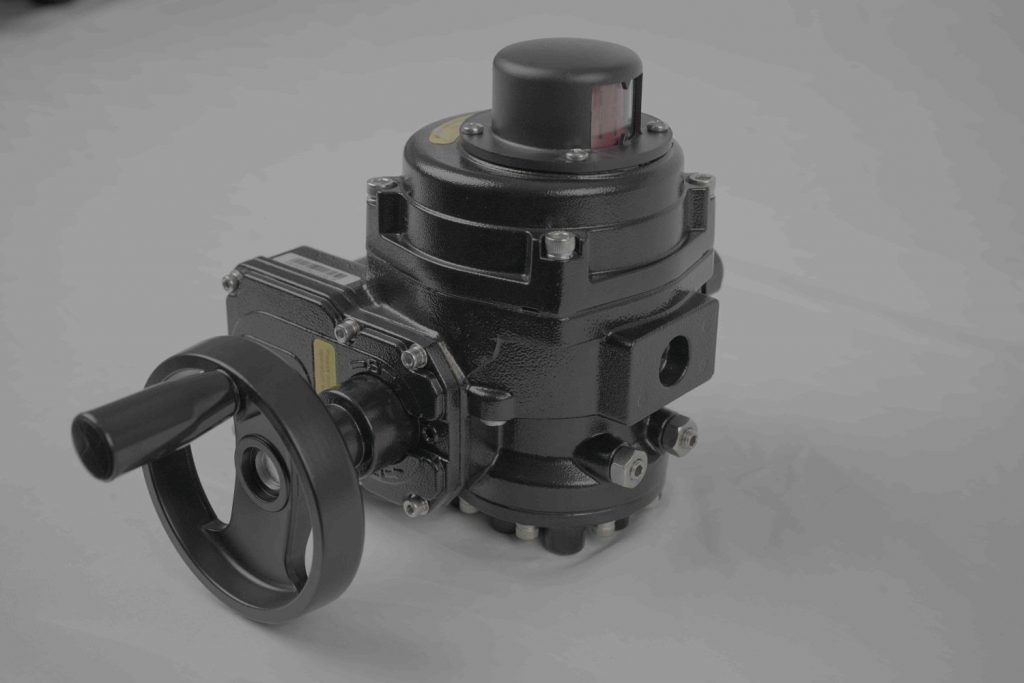
Understanding Lithium Battery Valves Lithium-ion batteries operate on the principle of electrochemical reactions, where lithium ions move between the positive and negative electrodes during charging and discharging cycles. To ensure optimal performance, these batteries must be equipped with valves that regulate pressure and prevent leakage of gases. Stainless steel lithium battery valves serve this purpose by acting as pressure relief mechanisms, allowing excess gases to escape while preventing the ingress of contaminants. The Importance of Pressure Regulation During the operation of lithium-ion batteries, various factors such as temperature fluctuations, overcharging, and internal short circuits can lead to increased pressure within the battery cell. If this pressure is not effectively managed, it can result in thermal runaway—a condition where the battery overheats and potentially explodes. Stainless steel lithium battery valves mitigate this risk by providing a controlled outlet for gases, thereby maintaining safe pressure levels within the battery. This functionality is crucial in enhancing the overall safety of lithium battery systems, particularly in applications where battery failure could have catastrophic consequences.