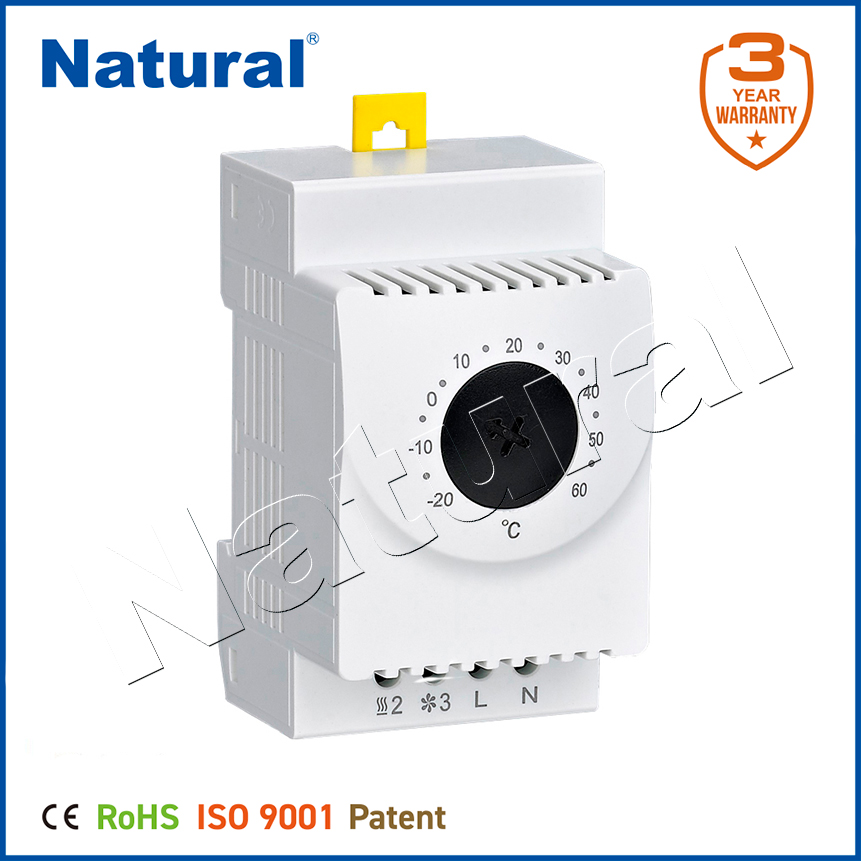
In today’s world, where energy efficiency and smart home technology are increasingly prioritized, electronic thermostats have emerged as a game-changer in home climate control. These advanced devices not only enhance comfort but also contribute to energy savings and sustainability. In this article, we will explore the workings, benefits, and considerations of electronic thermostats, helping homeowners make informed decisions about their heating and cooling systems.

What is an Electronic Thermostat?
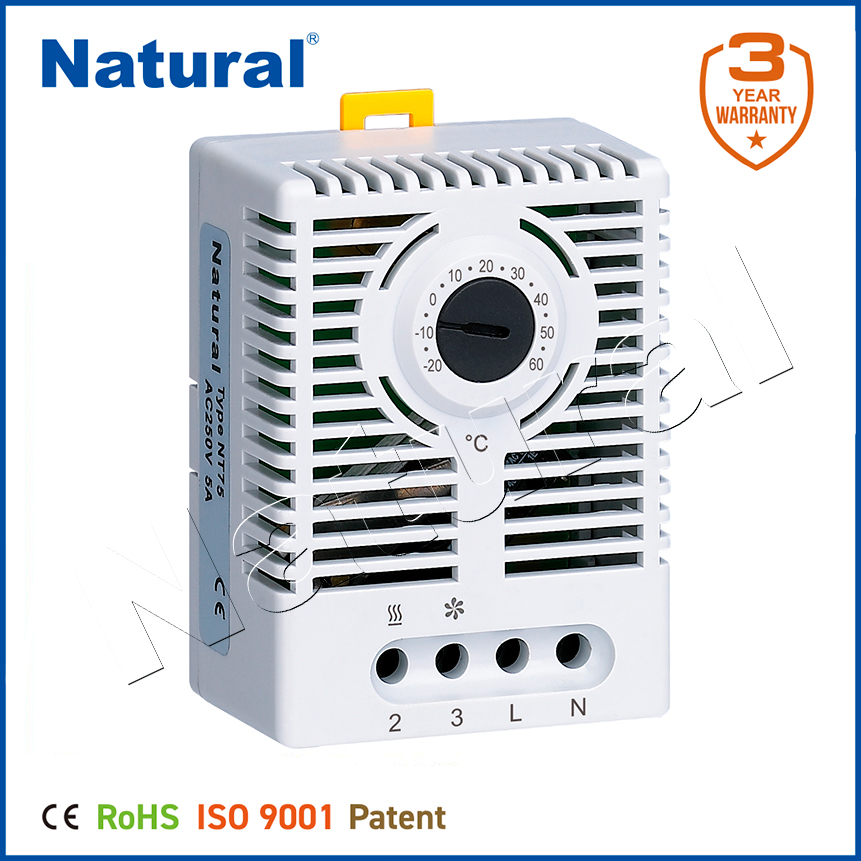
An electronic thermostat is a temperature control device that uses electronic sensors and circuits to regulate heating, ventilation, and air conditioning (HVAC) systems. Unlike traditional mechanical thermostats, which rely on a bimetallic strip to detect temperature changes, electronic thermostats utilize digital sensors for more accurate readings and faster response times. They are often programmable or smart, allowing users to customize their heating and cooling schedules based on their lifestyle. How Do Electronic Thermostats Work? The core functionality of an electronic thermostat involves measuring the ambient temperature of a room and comparing it to the setpoint—the desired temperature specified by the user. Once the ambient temperature deviates from the setpoint, the thermostat sends a signal to the HVAC system to adjust the heating or cooling accordingly.