The Arc-Free Relay is an essential innovation in the field of electrical switching technology, designed to significantly reduce or completely eliminate the occurrence of electrical arcs during the operation of relays. These specialized relays are crucial in applications where high currents or voltages are switched on and off frequently, such as in industrial machinery, automotive electronics, and communication systems. The key benefit of an Arc-Free Relay is its ability to extend the lifespan of the relay and improve overall system reliability, particularly in environments that demand frequent switching under high-load conditions.
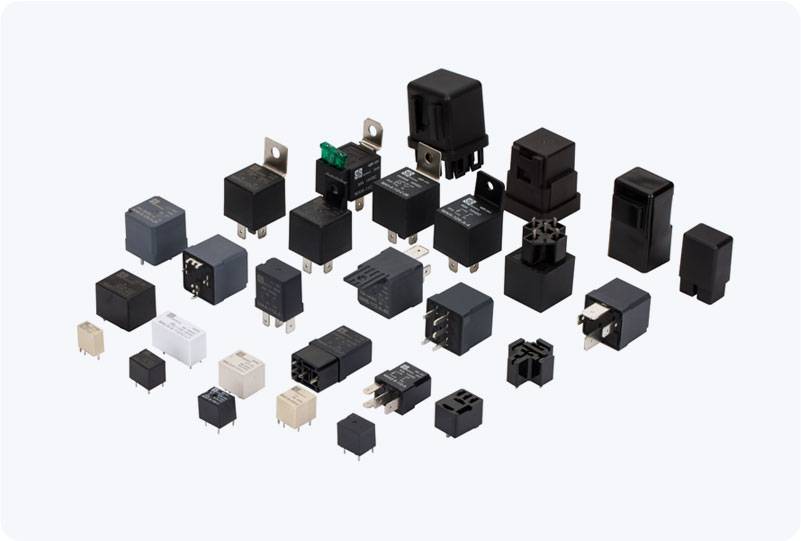
What is an Arc-Free Relay? A relay is a switch that uses an electromagnet to open or close a circuit. In typical relays, when the contacts open or close, electrical arcs can form between the contacts due to the high current or voltage being switched. This arc can cause damage to the contacts, resulting in wear and reduced relay performance over time. An Arc-Free Relay, however, is engineered specifically to reduce or prevent the formation of these arcs, thus preventing contact degradation and prolonging the relay’s operational life. How Arc-Free Relays Work The principle behind an Arc-Free Relay is to minimize or eliminate the electrical arcing that occurs when the relay contacts make or break the circuit. This can be achieved through several key design features: