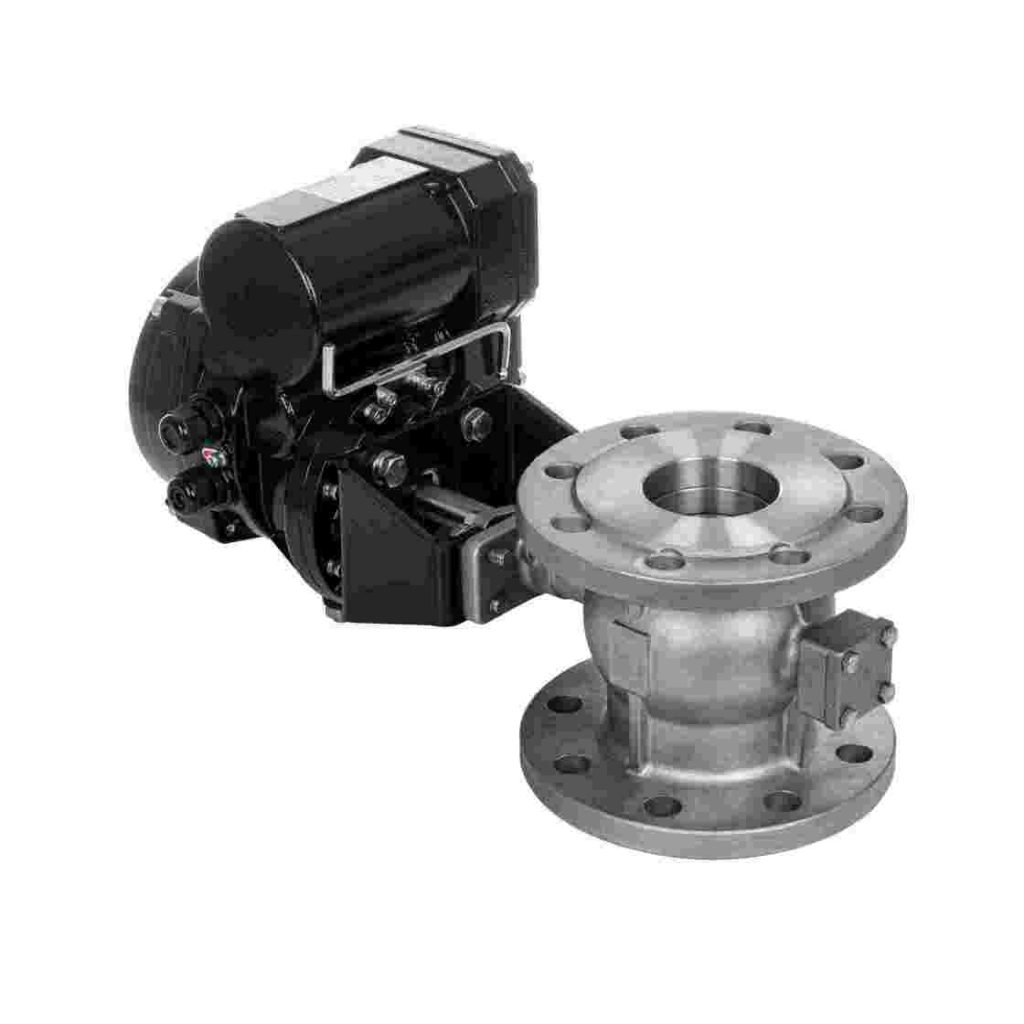
The integration of advanced technology into industrial processes has revolutionized the way systems operate, manage energy, and ensure efficiency. Among the innovative products to emerge in recent years is the lithium battery electric valve, a key component in many industries such as oil and gas, water treatment, and HVAC systems. This article explores the development, advantages, and applications of lithium battery electric valves, and how they are poised to become a critical part of the next generation of industrial control systems.
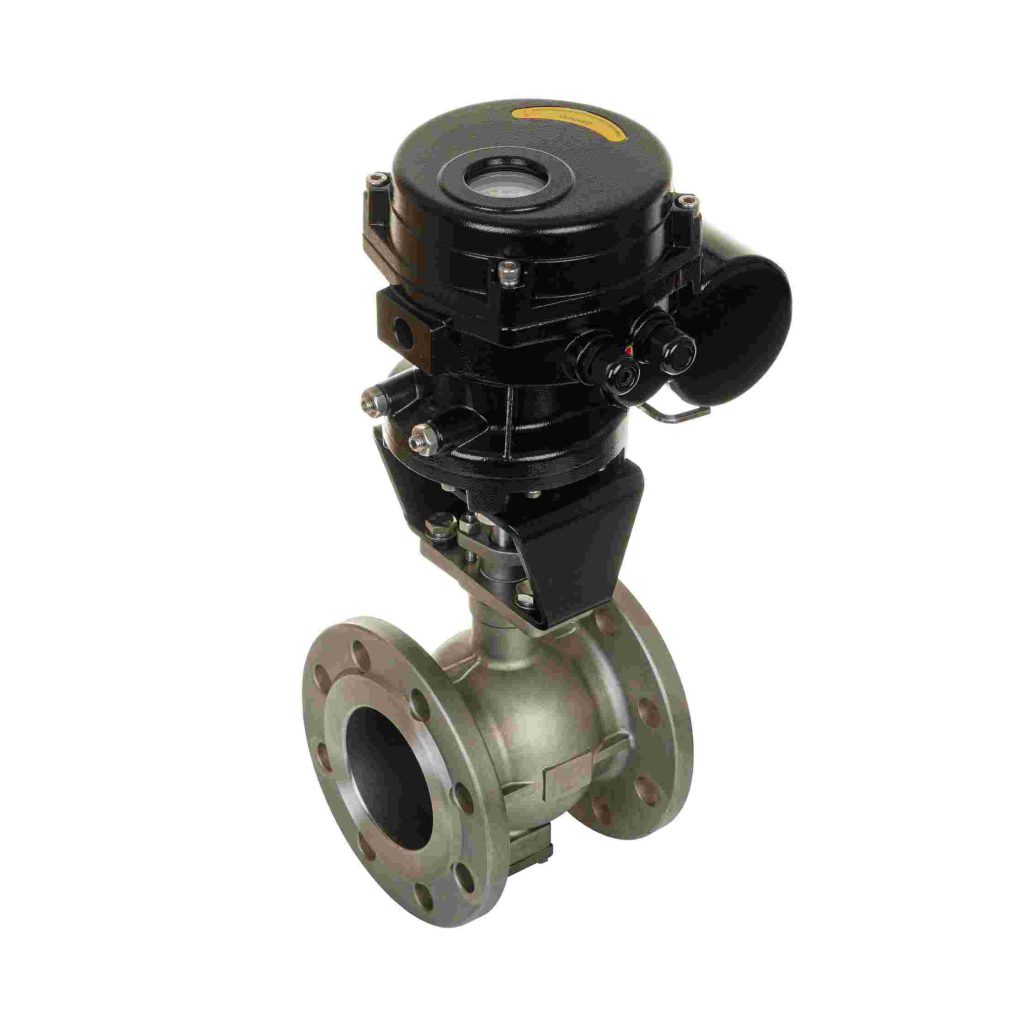
What is a Lithium Battery Electric Valve?
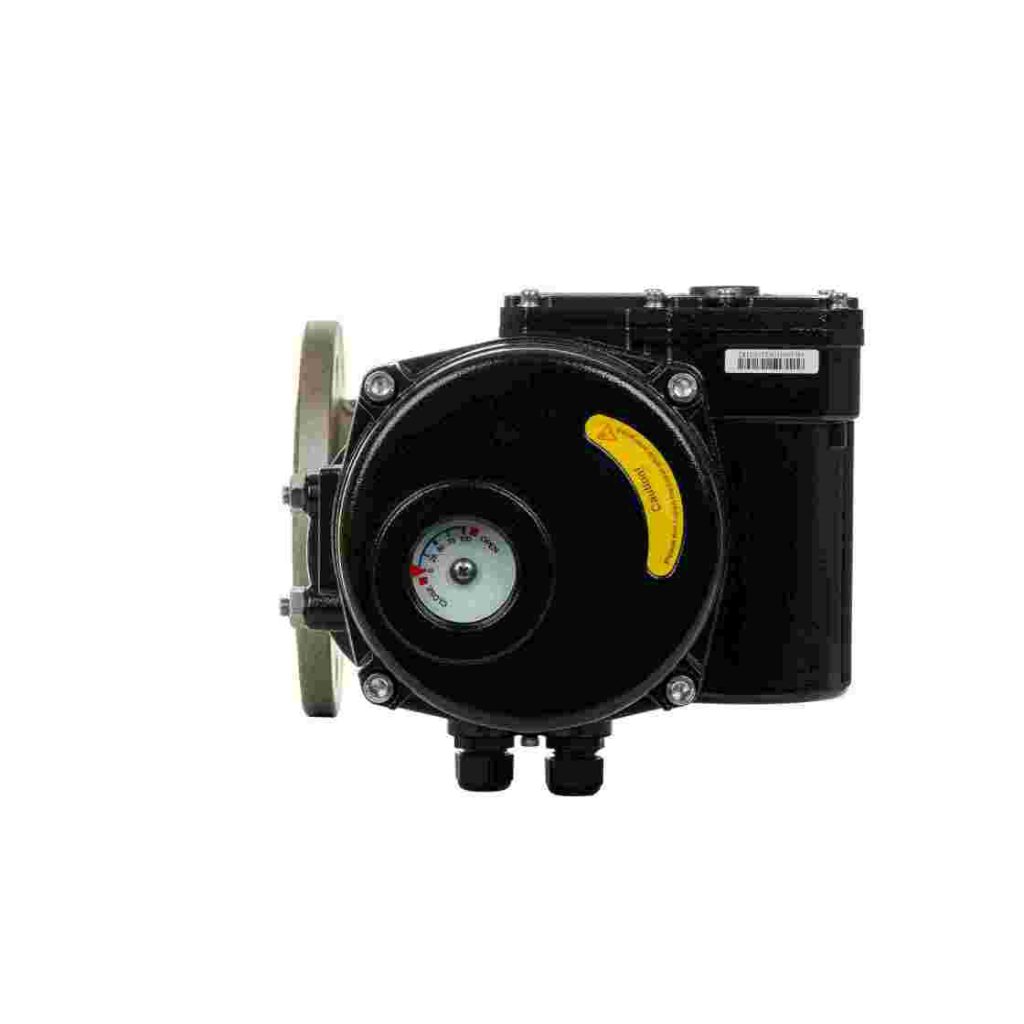
A lithium battery electric valve is a valve that utilizes an electric actuator powered by a lithium battery to control the flow of liquids or gases in a system. Traditional valves often require an external power supply, such as a wired electrical connection, to operate. However, lithium battery-powered valves offer the distinct advantage of being more flexible and independent of external power sources, making them ideal for remote or hard-to-reach applications. The actuator within the valve is powered by a rechargeable lithium-ion battery, which provides long-lasting energy to perform on/off or modulating functions. The use of lithium batteries ensures that the electric valve remains operational for extended periods without frequent recharging, reducing downtime and maintenance needs.