AC Motor Relay is a crucial component in industrial and commercial electrical systems, playing a vital role in the protection, control, and efficient operation of AC motors. It ensures that motors run under optimal conditions, safeguarding them against potential damage due to overloads, electrical faults, and other hazards. In this article, we will explore the functionality, types, and importance of AC Motor Relays in modern industrial environments.
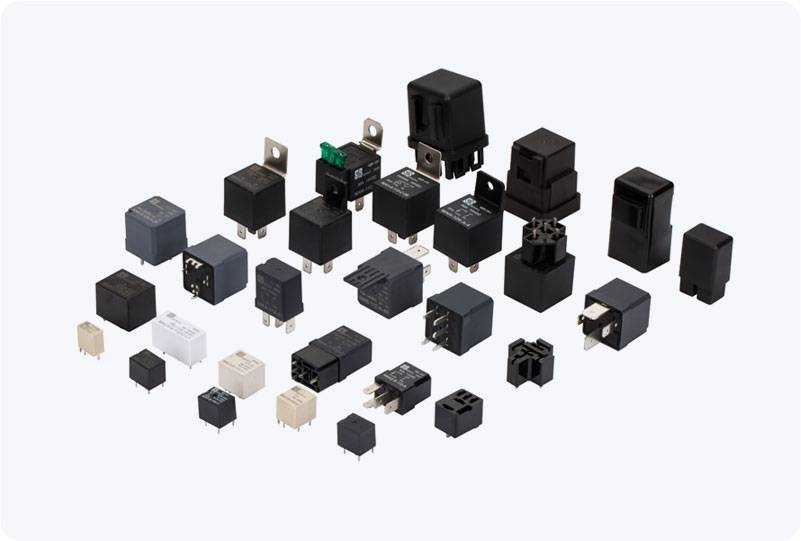
What is an AC Motor Relay? An AC Motor Relay is an electromechanical or solid-state device designed to control the operation of AC motors. These relays work by monitoring various parameters such as current, voltage, temperature, and phase sequence to ensure that the motor operates within safe and efficient limits. AC Motor Relays typically serve the purpose of switching the motor on and off, providing overload protection, and preventing electrical failures that could damage the motor. Functions of an AC Motor Relay Motor Start and Stop Control: One of the primary functions of an AC Motor Relay is to control the motor’s start and stop process. By controlling the power supply, the relay enables the motor to start up and shut down as needed, ensuring smooth and controlled operation.