Latching relays, also known as bistable relays, are a critical component in modern power systems. These relays have the unique ability to retain their position after being actuated, requiring no continuous power to maintain their state. This makes them a valuable tool for enhancing both the efficiency and reliability of power systems. This article explores the significance of latching relays in power systems, their advantages, and how they are applied in various contexts.
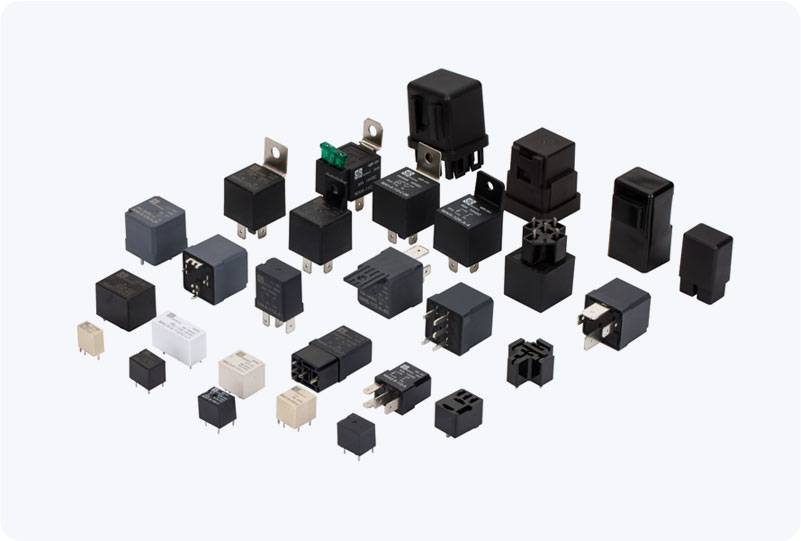
1. Understanding Latching Relays A latching relay is an electromechanical device that can be used to control the flow of current in a circuit. Unlike traditional relays, which require continuous current to remain in an activated or deactivated state, a latching relay “latches” into one of two stable positions—either “on” or “off”—and stays there without the need for a continuous power supply. To change the state of a latching relay, a pulse of current is applied. Once activated, it remains in that state until a reset pulse is applied. This capability provides numerous benefits in power systems, particularly in situations where reducing energy consumption and improving operational reliability are essential.