The Internet of Things (IoT) has drastically changed how we interact with the world around us. One of the key elements of IoT technology is the ability to control and monitor devices remotely. Among the various IoT devices, the IoT Relay Module stands out as a versatile and essential tool for automating and remotely controlling electrical systems. In this article, we will explore what an IoT Relay Module is, its applications, key features, and how it is transforming various industries.
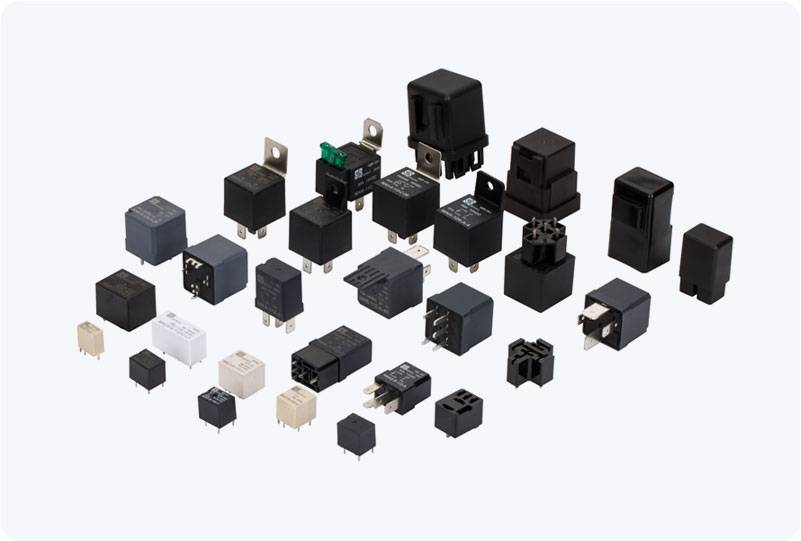
What is an IoT Relay Module? An IoT Relay Module is a device that integrates a relay with IoT technology, enabling remote control of electrical circuits. It consists of a relay switch that can be activated by an electronic signal, such as one coming from a microcontroller or smartphone app. The main advantage of using an IoT Relay Module is its ability to control high-power electrical appliances or devices through low-power signals, often via a Wi-Fi or Bluetooth network. A relay, in essence, is an electrically operated switch that allows a low-power circuit to control a high-power circuit. The IoT Relay Module takes this basic function a step further by providing connectivity to the internet, allowing for remote control and monitoring. This capability is made possible by incorporating microcontroller units like the ESP8266 or ESP32, which are popular for their affordability and ability to connect to Wi-Fi networks.