Relay wiring is an essential part of electrical and electronic systems, playing a crucial role in controlling circuits with high power using low power signals. A relay is an electromechanical switch that allows a low voltage control circuit to switch a higher voltage or current, making it a key component in various applications ranging from home automation to industrial control systems. Understanding relay wiring is not only important for professionals in the field of electronics but also for anyone interested in automating their electrical systems.
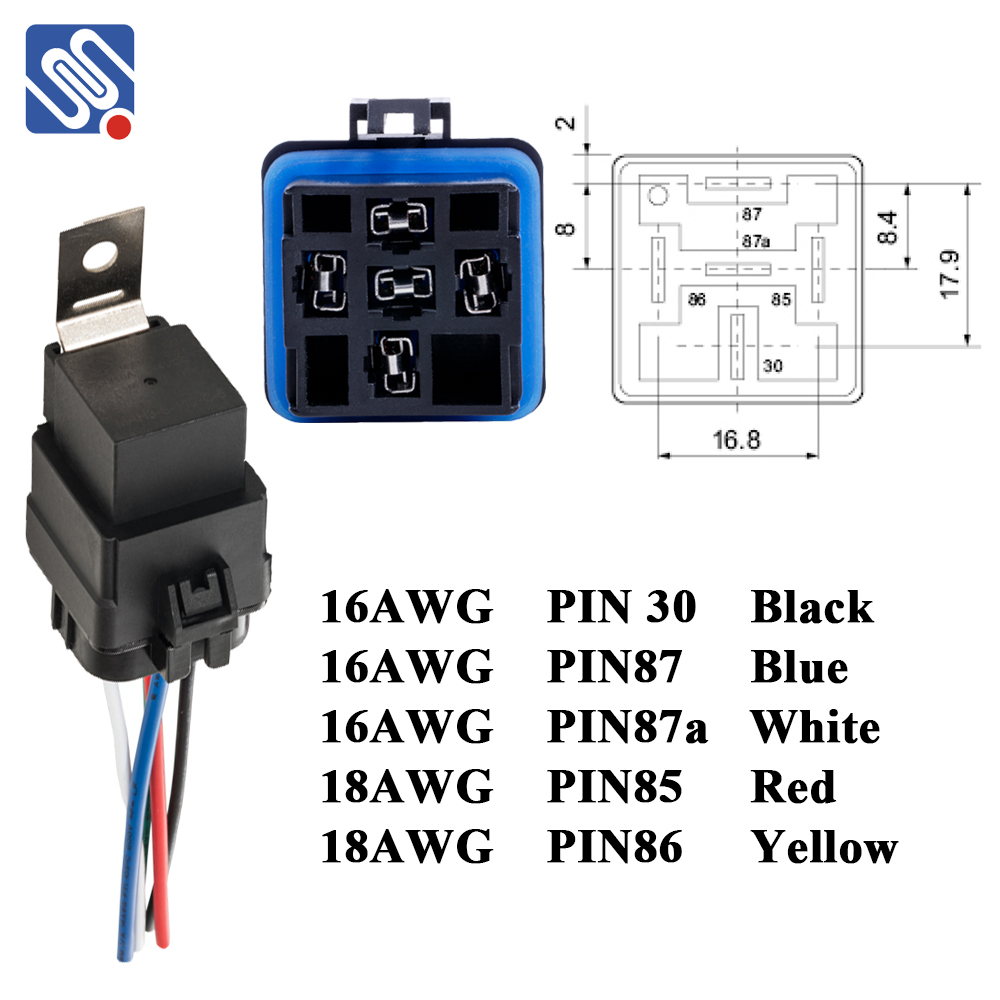
What is a Relay? A relay is essentially a switch that opens or closes based on an electrical signal. It consists of a coil, contacts (such as normally open (NO) or normally closed (NC)), and a movable armature. When a low voltage (or control signal) is applied to the coil, it generates a magnetic field that moves the armature. This movement opens or closes the contacts, allowing or interrupting the flow of current in the connected load circuit. Relays are used in a wide variety of applications, including controlling motors, lights, and other electrical devices. The ability of a relay to handle high-power circuits while being controlled by low-power signals makes it a perfect solution for controlling devices remotely or automatically.