In today’s automotive industry, safety is paramount, especially as vehicles become more complex and incorporate advanced electronic systems. One of the critical components ensuring the smooth operation of these systems is the automotive relay. These relays serve as switches that control various electrical circuits in a car, from controlling lights and air conditioning to engine management systems. However, with the increasing demand for high safety standards, relays used in automotive applications must meet stringent safety criteria, such as those outlined by IEC 61508.
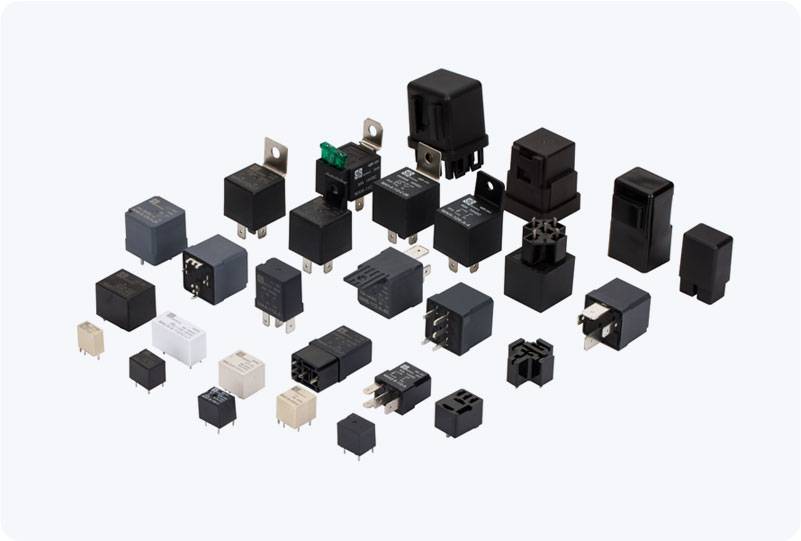
IEC 61508 is an international standard that addresses the functional safety of electrical, electronic, and programmable electronic systems. This standard provides guidelines for the design, development, and operational safety of these systems, ensuring that they operate reliably under both normal and fault conditions. For automotive relays, IEC 61508 compliance is vital to ensuring that these components contribute to the overall safety and reliability of the vehicle’s electrical systems. The Importance of IEC 61508 Compliance for Automotive Relays Automotive relays are vital to ensuring that a vehicle’s electrical systems function correctly. However, as vehicles incorporate more safety-critical electronic systems—such as airbags, anti-lock braking systems (ABS), and electronic stability control (ESC)—the failure of a single relay could have significant consequences. This is where IEC 61508 compliance comes into play. By adhering to this standard, manufacturers can ensure that the automotive relay not only performs its intended function but does so in a way that minimizes risk to both the vehicle’s occupants and the broader environment.