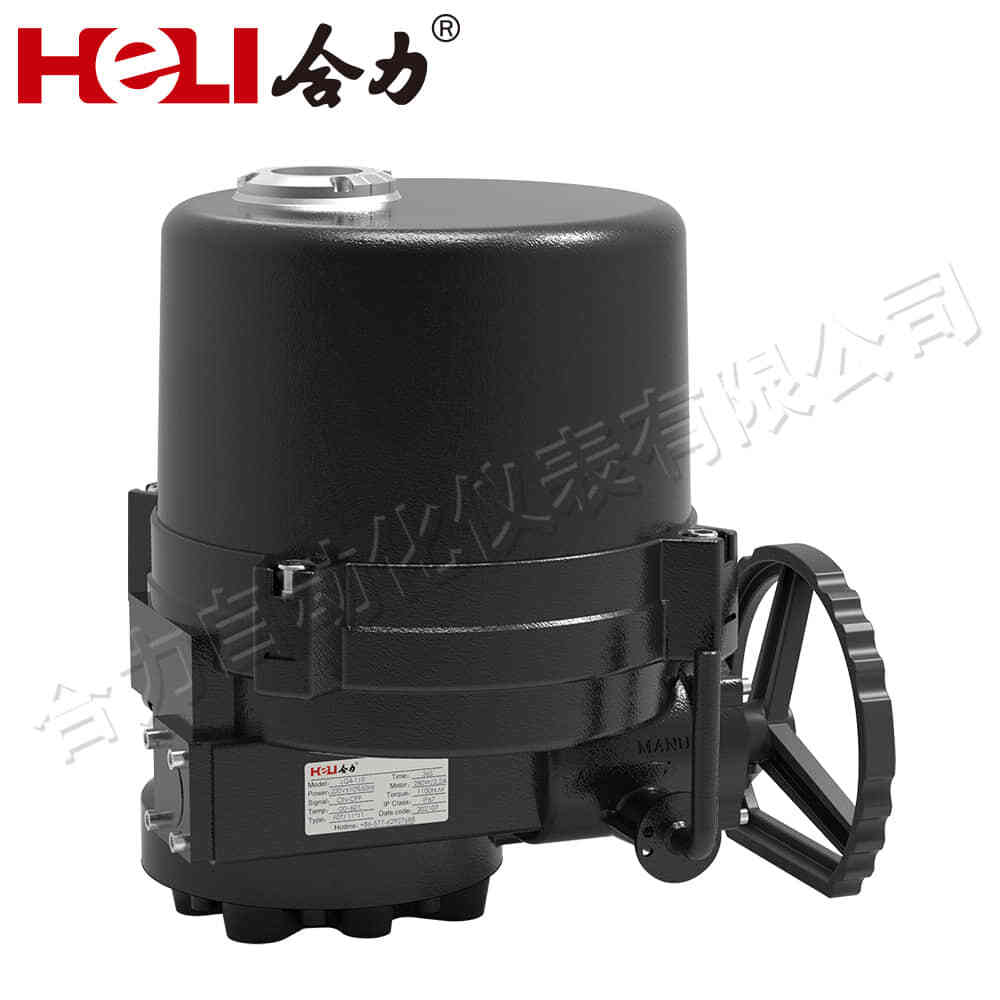
In recent years, automation technologies have rapidly advanced, pushing industries towards more efficient and precise control systems. Among these innovations, the development of Intelligent Control Wireless Electric Actuators (ICWEAs) stands out as a pivotal breakthrough. These actuators combine the reliability and efficiency of traditional electric actuators with the flexibility and convenience of wireless communication, making them a valuable tool in a wide range of industries, from manufacturing and robotics to aerospace and home automation.
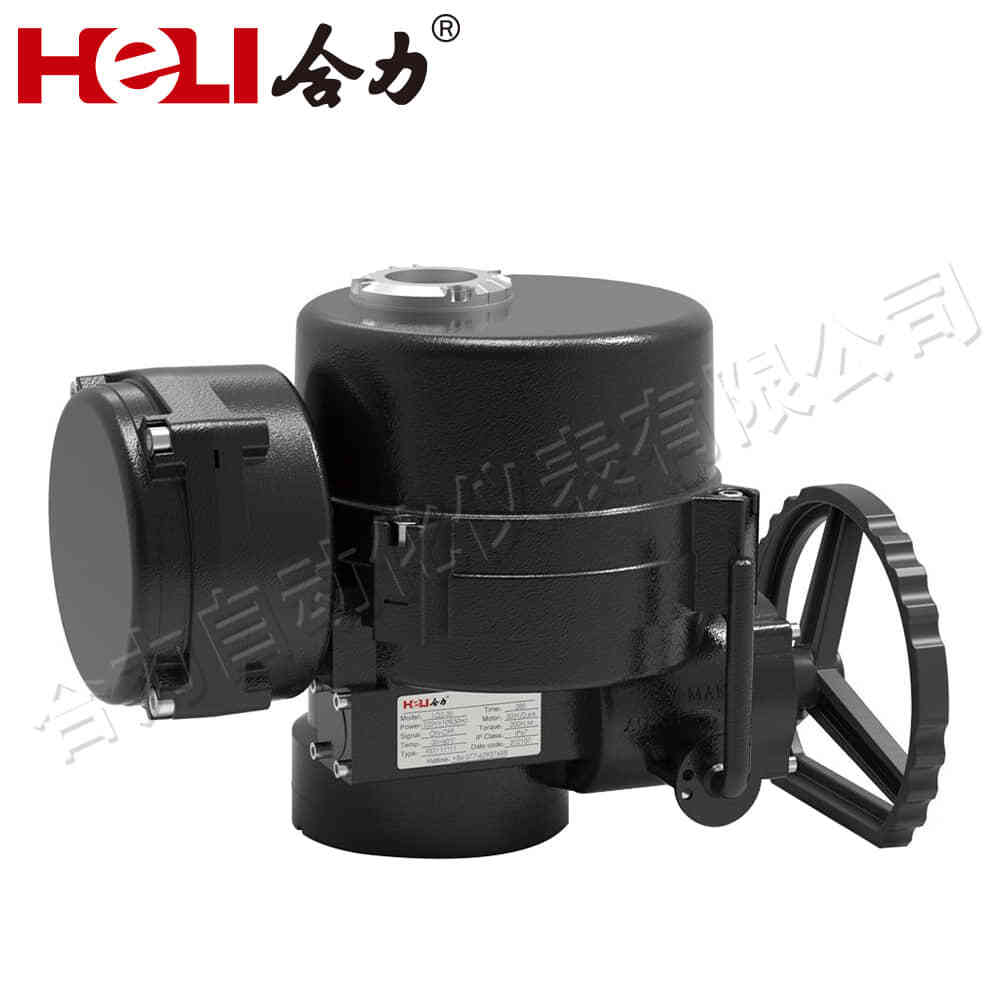
The Basics of Intelligent Control Wireless Electric Actuators
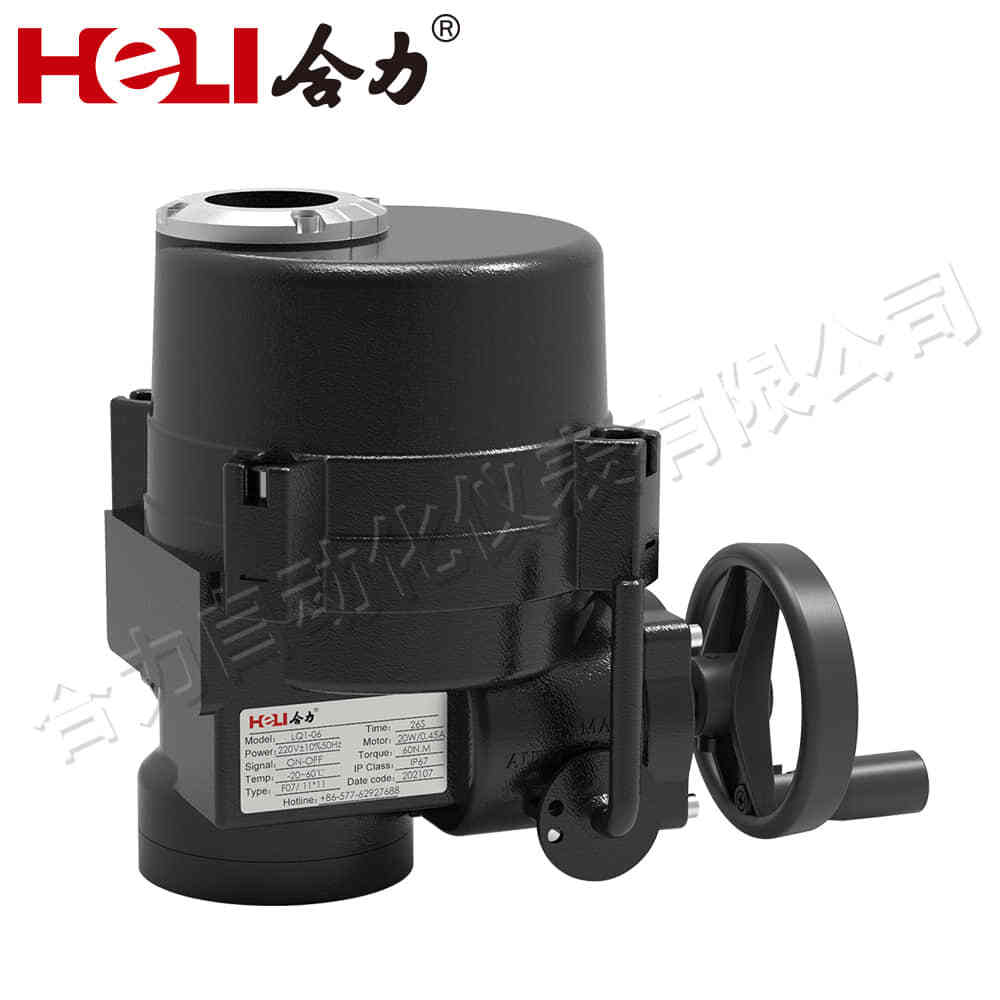
An electric actuator is a device that converts electrical energy into mechanical motion, typically in the form of rotary or linear movement. These actuators are essential in automated systems where precise control over motion is necessary. The integration of wireless technology with electric actuators has taken this functionality to a new level, providing several key advantages in terms of flexibility, efficiency, and ease of maintenance. At the core of Intelligent Control Wireless Electric Actuators lies the combination of sophisticated control algorithms and wireless communication protocols. The “intelligent control” aspect refers to the actuator’s ability to adapt and optimize its performance based on real-time data inputs, which can include sensor feedback, load conditions, and environmental variables. The wireless component allows for remote monitoring, diagnostics, and control, reducing the need for physical connections and simplifying installation and maintenance.