An electromechanical relay (EMR) is a fundamental component in the world of electronics and electrical engineering. It is a type of electrical switch that opens or closes a circuit under the control of an external signal. The key characteristic of an electromechanical relay is its ability to provide electrical isolation between the control side (low voltage) and the power side (high voltage). This makes it an essential part of countless devices and systems, from household appliances to industrial automation.
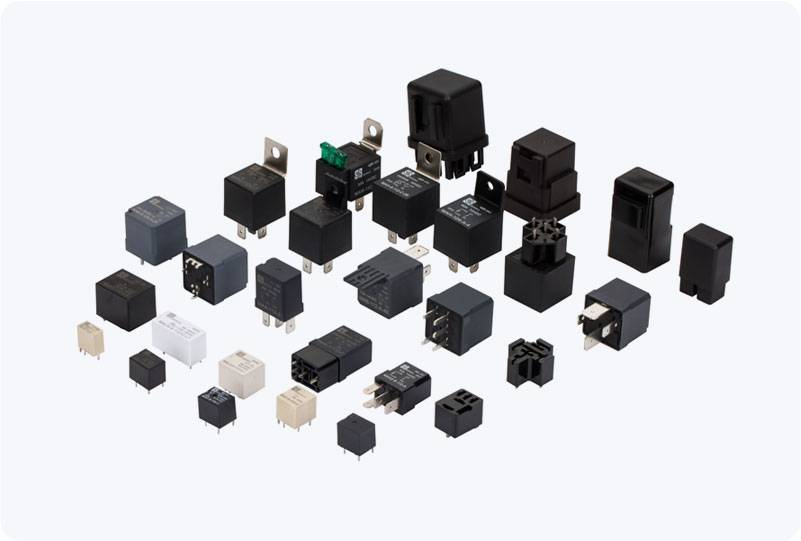
How Electromechanical Relays Work The basic operation of an electromechanical relay involves a coil of wire, an armature, and a set of contacts. When an electrical current passes through the coil, it creates a magnetic field that pulls the armature toward the coil. This action causes the contacts to either open or close, depending on the design of the relay. Relays typically have one or more sets of contacts: normally open (NO) contacts and normally closed (NC) contacts. Normally open contacts remain open until the relay is activated, while normally closed contacts are closed until the relay is energized. The movement of the armature changes the state of these contacts, thereby controlling the flow of electricity through the circuit.