继电器驱动的基本原理是通过输入信号(比如来自微控制器、开关或其他控制装置)控制继电器的线圈,进而使继电器的触点闭合或断开,从而控制较大电流或高压电路的开关。
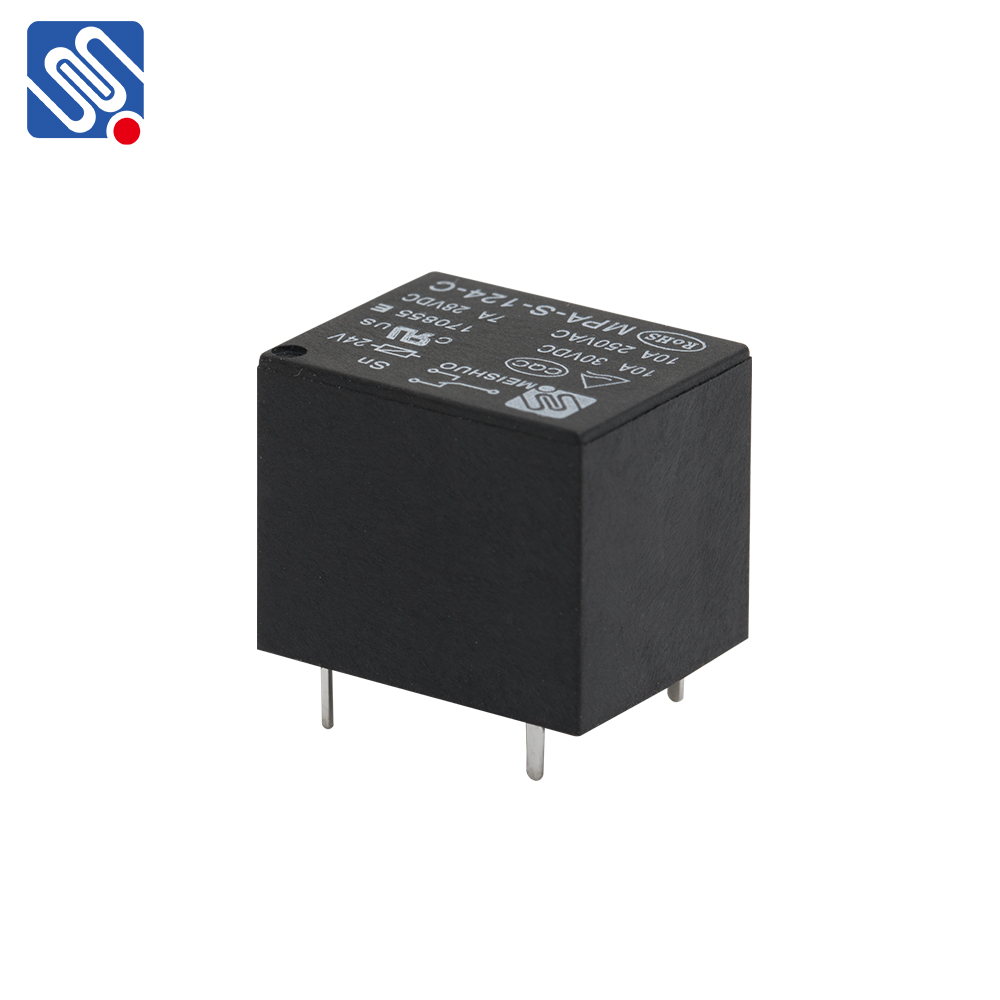
继电器驱动电路的关键组件包括: 控制信号源:通常来自微控制器或其他低电压电路。 继电器线圈:由电流激活,用于控制继电器的触点状态(开或关)。 驱动电路:常用晶体管、二极管、继电器驱动芯片等,用来提供足够的电流激活继电器的线圈。 保护元件:如二极管,通常用于防止继电器线圈断电时产生的反向电流对驱动电路造成损坏。 继电器驱动电路常用于需要低电流控制高电流负载的场景,比如控制电机、灯具等。 如果你需要更详细的工作原理或者设计示例,可以告诉我! 帮我写一篇关于Relay drive的800字英文原创文章,并在文章前面配上一个标题,并在标题里面包含Relay drive Understanding Relay Drive: Principles, Applications, and Design Considerations Relay drive, a crucial component in modern automation and electrical systems, involves the control of a relay through an external signal to switch larger currents or voltages. Relays are used to control high-power circuits with low-power signals, offering protection, switching, and controlling functionalities in various applications, ranging from simple household devices to complex industrial machinery. This article explores the principles of relay drive, its applications, and key design considerations that engineers and designers should keep in mind.