A bistable relay, also known as a latching relay or keep-alive relay, is an electrical component that has two stable states. Unlike traditional relays, which require continuous power to maintain their state, bistable relays retain their position once switched and only need an external pulse to change between the two states. This unique feature makes bistable relays useful in a wide range of applications, where power conservation, reliability, and cost efficiency are key considerations.
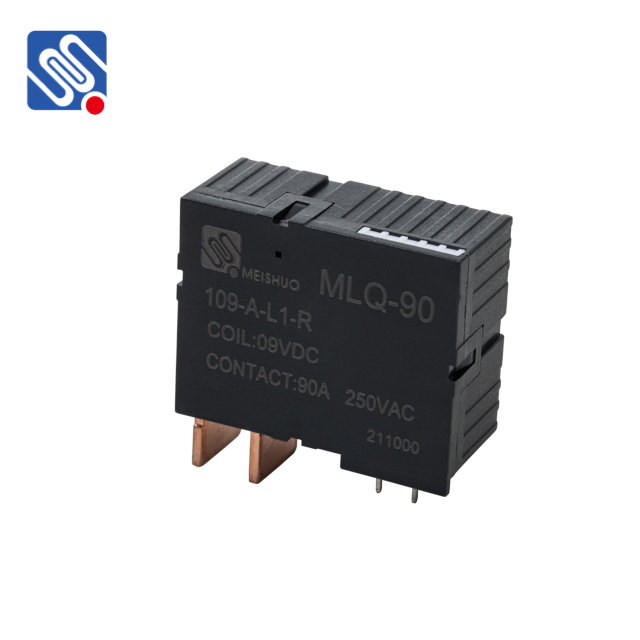
How Does a Bistable Relay Work? The basic operation of a bistable relay revolves around two distinct states: “set” and “reset.” In the “set” state, the relay’s contacts are in one position, while in the “reset” state, the contacts are in the opposite position. To change between these states, an electrical pulse is applied to the relay. This pulse either causes the relay to latch into the “set” position or to unlatch into the “reset” position, depending on the type of pulse used. The most significant characteristic of bistable relays is that they do not require continuous power to hold their state. Once switched, the relay remains in its new state until it receives a signal to switch again. This contrasts with traditional relays, which need constant electrical power to maintain their position. Therefore, bistable relays provide a significant advantage in terms of energy efficiency, as they only consume power momentarily during the switching action.