Relay product development plays a crucial role in a variety of industries, from automotive and telecommunications to industrial automation and consumer electronics. A relay is an electrical component that allows one circuit to control the operation of another. Despite its relatively simple design, the importance of relays in modern systems cannot be overstated. As the demand for more reliable, efficient, and compact electrical components increases, relay product development has evolved to meet these new challenges. This article explores the process of relay product development, highlighting innovations, trends, and challenges faced by engineers and designers.
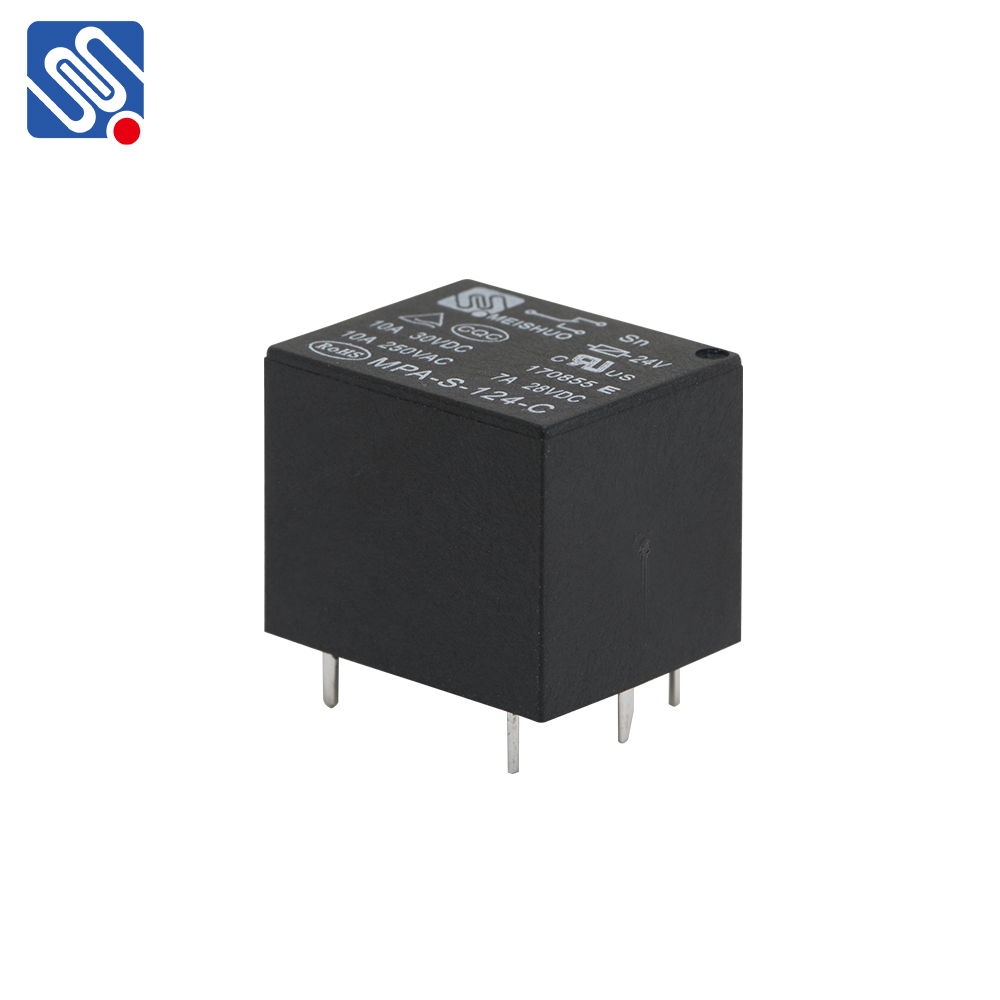
Understanding the Basics of Relay Technology At its core, a relay is an electromechanical switch used to open or close a circuit under the control of a low-power signal. The basic mechanism involves a coil, an armature, and contacts. When a current passes through the coil, it generates a magnetic field that attracts the armature, causing the contacts to change their state. This allows for the switching of a higher power circuit with a low-power control signal, making relays an essential part of numerous systems. The Relay Product Development Process The development of a relay product follows a structured process, ensuring that the final product meets the required specifications and performs reliably in various operating environments. The process typically involves several key stages, including: