In recent years, the Internet of Things (IoT) has revolutionized various industries, and home automation is no exception. One key component of a smart home is the IoT relay, a device that plays a significant role in connecting everyday appliances to the internet and enabling remote control, automation, and improved energy management. IoT relays are transforming the way people interact with their homes, making them more convenient, energy-efficient, and secure. In this article, we will explore the functionalities, applications, and benefits of IoT relays in home automation.
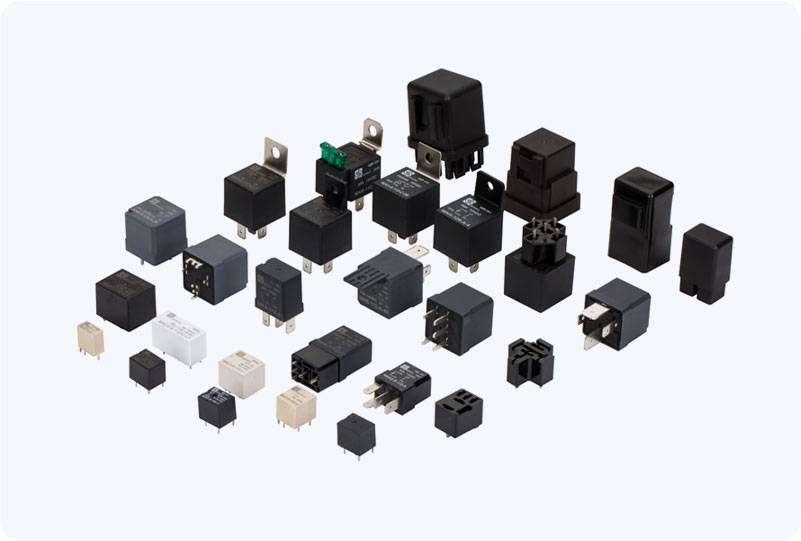
What is an IoT Relay? An IoT relay is an electronic switch that can be controlled remotely over the internet. It is typically connected to home appliances, such as lights, fans, air conditioners, and other electrical devices, allowing users to turn them on or off using their smartphone, tablet, or voice commands through a smart assistant like Amazon Alexa or Google Assistant. These relays usually communicate with devices via Wi-Fi, Bluetooth, Zigbee, or other wireless communication technologies. At the heart of the IoT relay is a relay module that controls the switching action of the electrical appliances. The relay module can open or close a circuit, enabling or disabling the connected device. The relay itself is controlled by a microcontroller (e.g., ESP8266, ESP32), which is connected to the internet, thus allowing remote interaction.