The starter motor relay plays a crucial role in the efficient operation of a vehicle’s starting system. Often overlooked by many, this small but significant component ensures that the starter motor receives the electrical power necessary to start the engine. In this article, we will explore the purpose, function, and importance of the starter motor relay in automotive electrical systems.
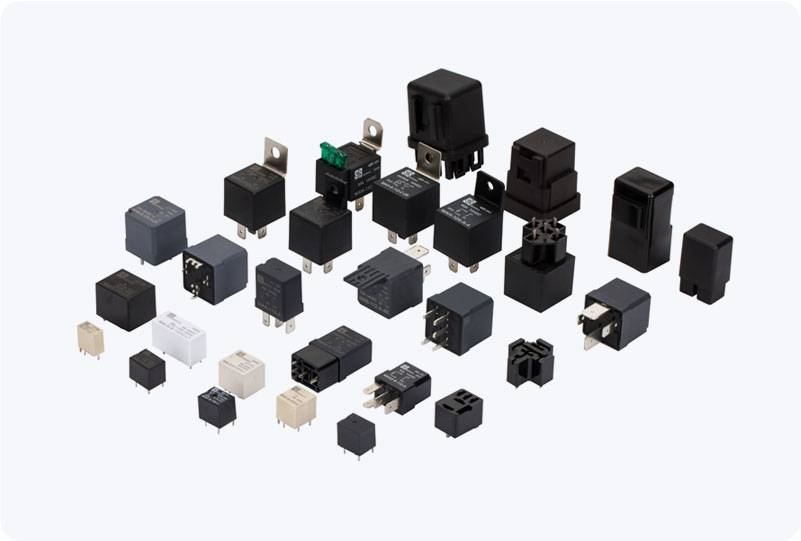
What is a Starter Motor Relay? The starter motor relay is an electrical component that functions as a switch, controlling the flow of electrical current to the starter motor. It acts as a mediator between the vehicle’s ignition system and the starter motor, ensuring that the right amount of power reaches the motor when the engine is being started. Typically, the relay is located near the battery or starter motor itself, and it is activated when the ignition key is turned to the “start” position. How Does a Starter Motor Relay Work? When the ignition switch is turned on, it sends a small electrical current to the starter motor relay. This current energizes the relay, causing it to close its internal switch. When the switch closes, a larger electrical current from the battery is allowed to flow to the starter motor. This power enables the starter motor to turn the engine over, initiating the engine’s operation. Once the engine starts running, the relay deactivates, cutting off the power to the starter motor, preventing it from continuing to run.