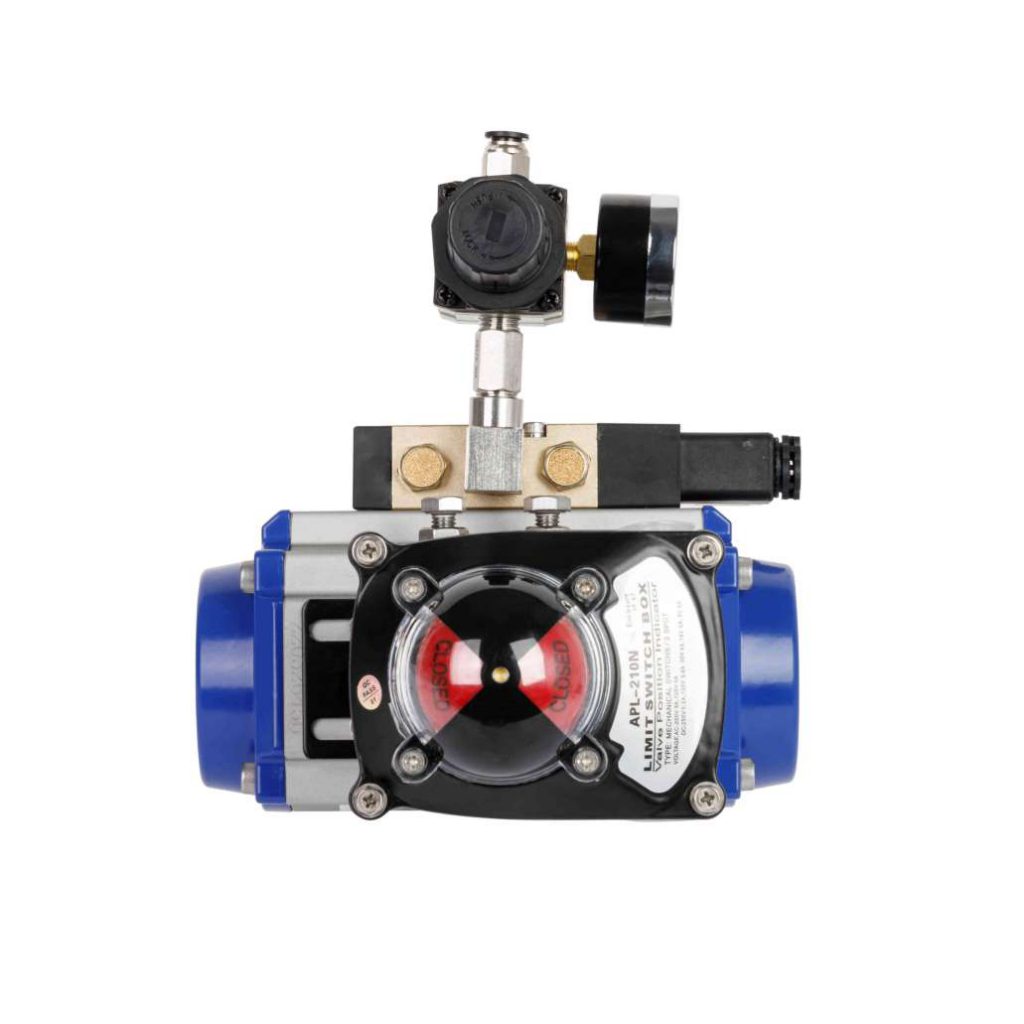
Pneumatic actuators are devices that use compressed air to produce mechanical motion. This technology is widely used in various industries, from manufacturing to robotics, due to its efficiency, simplicity, and reliability. The concept behind pneumatic actuators is simple but effective: pressurized air is directed into a cylinder, causing a piston inside to move. This linear motion can be harnessed to perform a variety of tasks, from lifting and pushing objects to controlling valve positions.
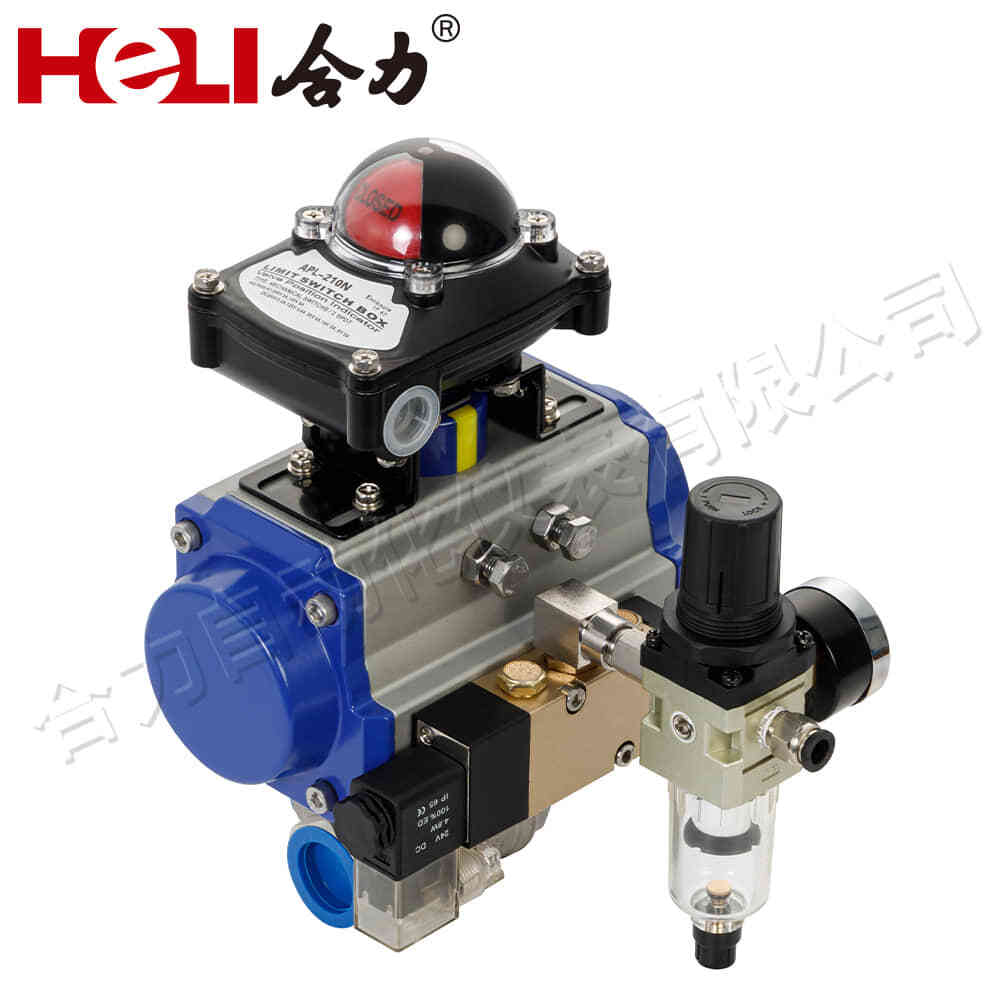
What is a Pneumatic Actuator?
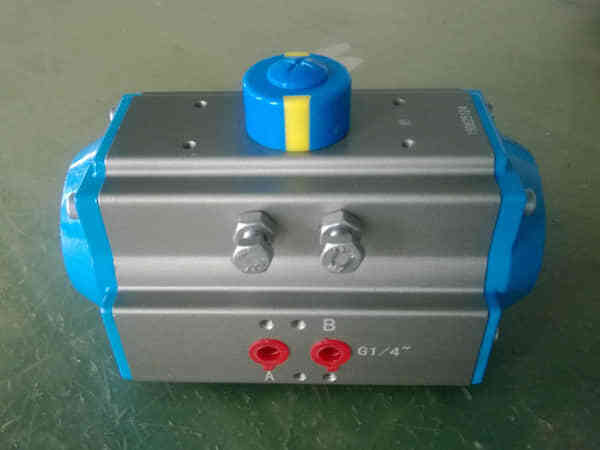
A pneumatic actuator is essentially a machine component that converts the energy of compressed air into mechanical work. The actuator consists of a cylinder, piston, and various components that allow the controlled movement of the piston. When compressed air is injected into the cylinder, it forces the piston to move in a specific direction. This movement is then used to drive mechanical devices or processes, such as moving a robotic arm, controlling a valve, or adjusting the position of equipment in industrial settings. There are several types of pneumatic actuators, with the most common being linear and rotary actuators. Linear actuators generate straight-line motion, while rotary actuators produce rotational motion. Both types serve essential roles in industrial automation, transportation, and other applications where precise motion control is necessary.