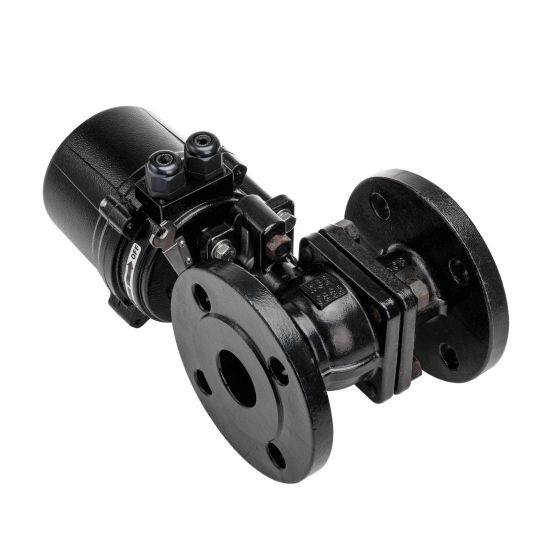
The WCB Electric High Temperature Ball Valve represents a significant advancement in industrial valve technology, designed to meet the rigorous demands of high-temperature applications across various sectors. With its robust construction, innovative design, and reliable performance, this valve is increasingly becoming a staple in industries such as oil and gas, chemical processing, power generation, and more. This article explores the features, benefits, applications, and maintenance of the WCB Electric High Temperature Ball Valve, highlighting why it is a preferred choice for engineers and operators.
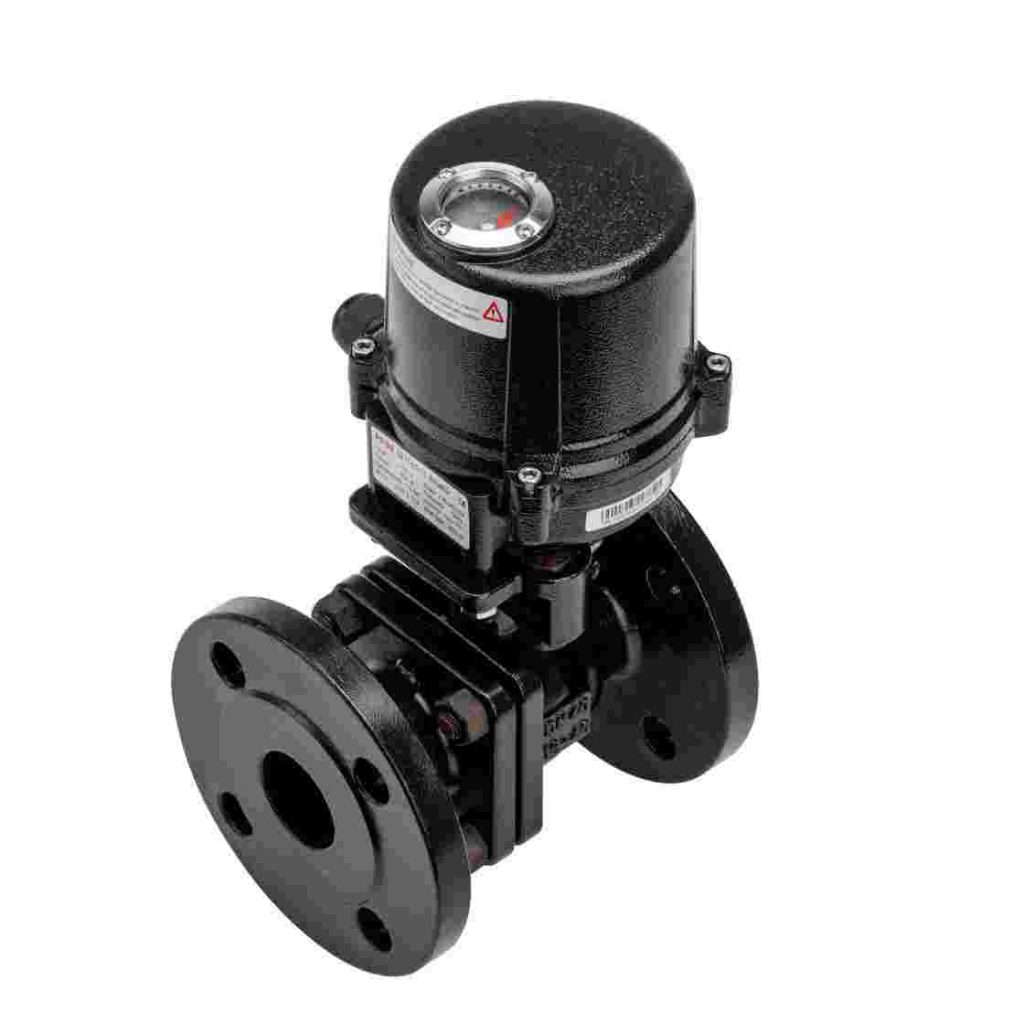
Features of WCB Electric High Temperature Ball Valve
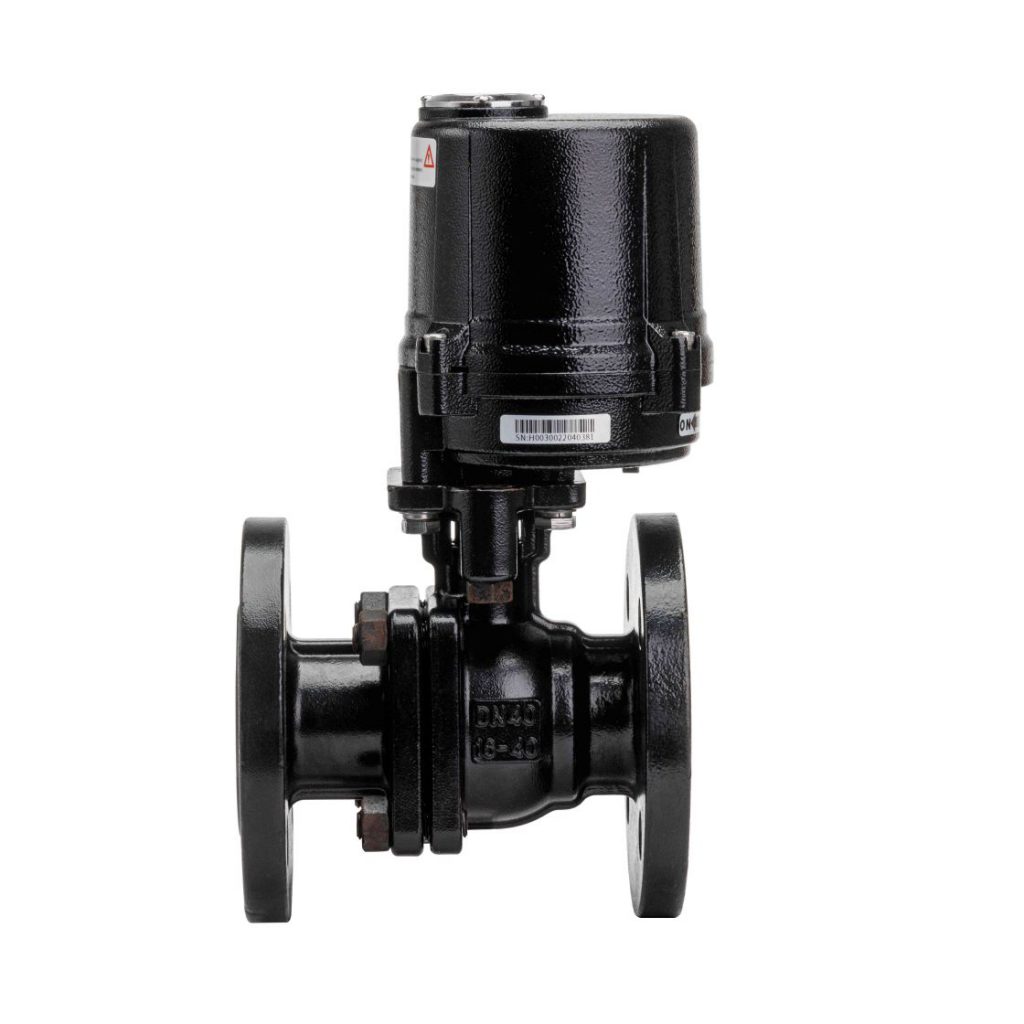
One of the standout characteristics of the WCB Electric High Temperature Ball Valve is its ability to withstand extreme temperatures. Typically, these valves can operate effectively in temperature ranges from -196°C to 600°C, depending on the specific model and materials used. The valve body is constructed from high-quality WCB (Carbon Steel) material, which provides excellent durability and resistance to thermal expansion, making it suitable for high-pressure applications. The valve is equipped with an electric actuator that ensures precise control over the flow of fluids or gases. This actuator allows for quick opening and closing, reducing the time required for system adjustments and improving operational efficiency. The electric actuation also facilitates remote operation, enabling integration into automated systems, which is essential for modern industrial facilities seeking to enhance productivity.