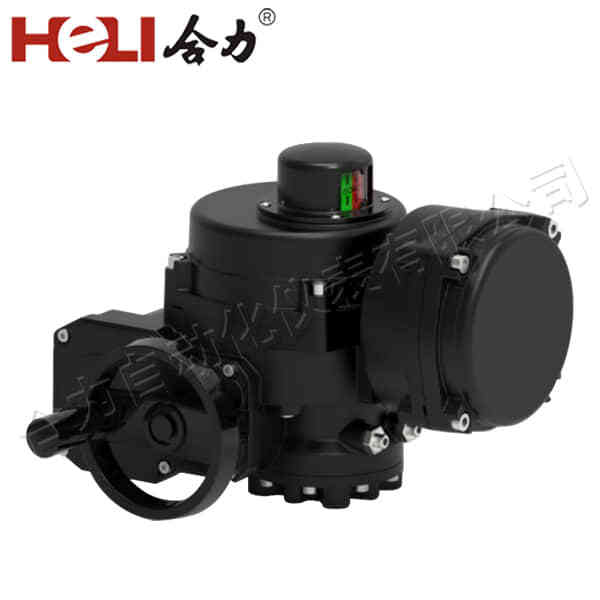
Electric actuators are crucial components in various industrial and technological systems, providing precise control and movement in applications ranging from manufacturing to robotics. An electric actuator converts electrical energy into mechanical motion, allowing for automated processes that enhance efficiency, precision, and safety. This article explores the mechanisms behind electric actuators, their types, advantages, and diverse applications.
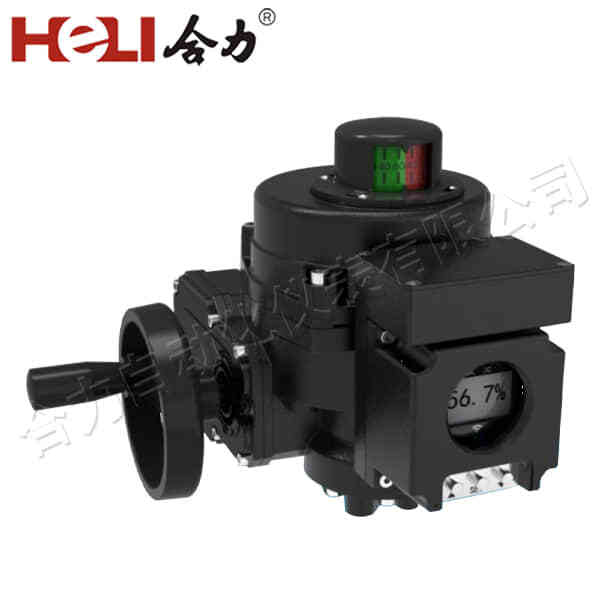
Mechanisms of Electric Actuators
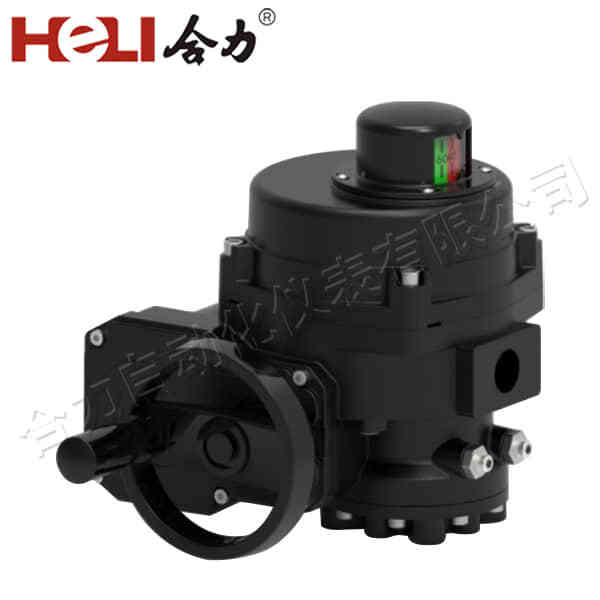
At the heart of an electric actuator is its ability to transform electrical energy into mechanical energy. This process typically involves a motor (either AC or DC) that drives a mechanical system to produce linear or rotational motion. The fundamental components of an electric actuator include: Motor: The motor serves as the primary source of mechanical power. Depending on the application requirements, various types of motors can be used, including stepper motors, servo motors, and brushless DC motors. Each type has unique characteristics that make them suitable for specific applications.