A 12V relay is a versatile electrical component commonly used in various electronic and electrical systems. Whether you are working on a car, home automation, or DIY electronics projects, a 12V relay is likely to be part of your setup. In this article, we will explore the functioning of a 12V relay, its structure, how it operates, and its practical applications in different fields.
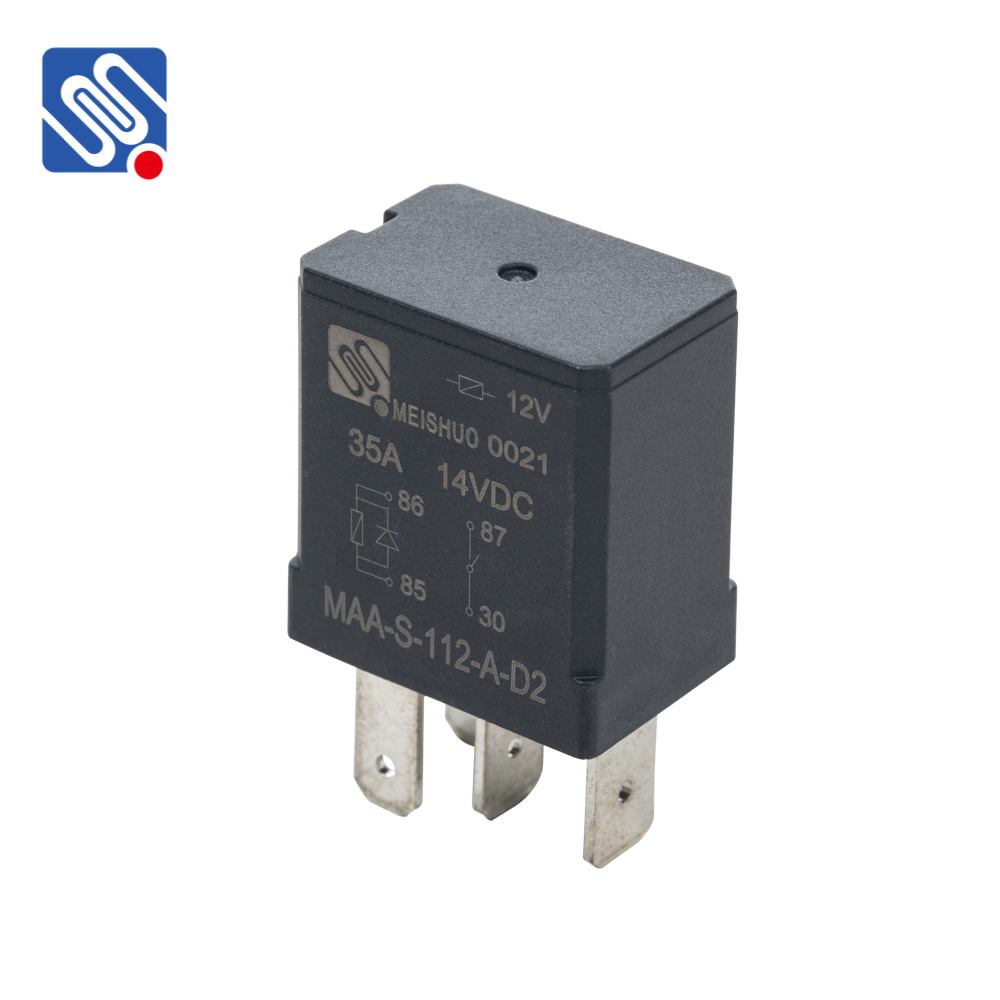
What is a 12V Relay? A relay is an electrically operated switch that uses an electromagnetic coil to open or close the contacts of a circuit. The “12V” designation refers to the voltage that powers the relay’s coil, typically found in automotive systems and low-power electronic projects. When the relay coil receives a 12V signal, it creates a magnetic field that activates the mechanical contacts, switching them on or off. This allows a low-power circuit to control a high-power load. Structure and Working Principle A standard 12V relay consists of several key components: Coil: The electromagnet that creates the magnetic field when a current passes through it. This coil is typically rated for 12V, making it ideal for use in systems where a 12V power supply is available.