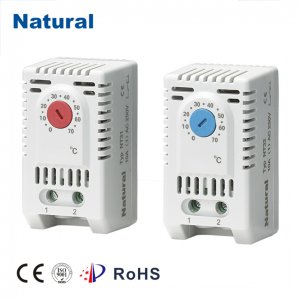
In an age where energy conservation and climate control are paramount, the adjustable mechanical thermostat stands out as a simple yet effective device for maintaining comfortable indoor temperatures. While digital thermostats have become more popular, adjustable mechanical thermostats continue to be widely used due to their durability, ease of use, and affordability. This article explores what an adjustable mechanical thermostat is, how it works, its advantages, and why it remains a reliable choice for many households and businesses today.
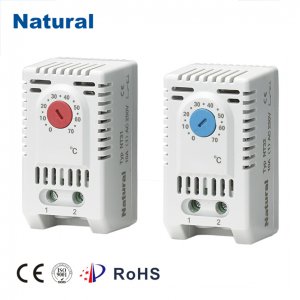
What is an Adjustable Mechanical Thermostat?
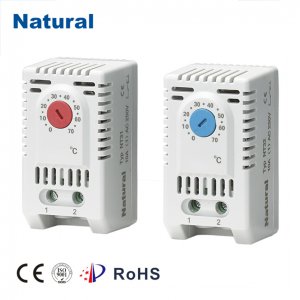
An adjustable mechanical thermostat is a temperature control device that uses mechanical components to regulate heating or cooling systems in homes, offices, and other buildings. Unlike digital thermostats, which are electronic and typically involve more complex circuitry and programming, mechanical thermostats operate based on basic physical principles, such as the expansion and contraction of materials in response to temperature changes. The core of most adjustable mechanical thermostats is a bimetallic strip or gas-filled bellows. The bimetallic strip, made of two metals with different rates of expansion, bends as the temperature changes. This bending action triggers a switch that opens or closes the circuit, turning the heating or cooling system on or off. The user adjusts the thermostat by rotating a dial or turning a knob to set the desired temperature.