Relays are crucial components in many electrical systems, allowing circuits to be controlled remotely and efficiently. However, like all mechanical and electrical devices, relays have a limited lifespan, which is a key consideration when selecting relays for different applications. The lifespan of a relay refers to the number of cycles or the period over which the relay can operate reliably before it fails. This lifespan is influenced by various factors, including the mechanical and electrical conditions under which the relay operates. In this article, we explore the key elements that affect relay lifespan and discuss how to maximize the longevity of these important components.
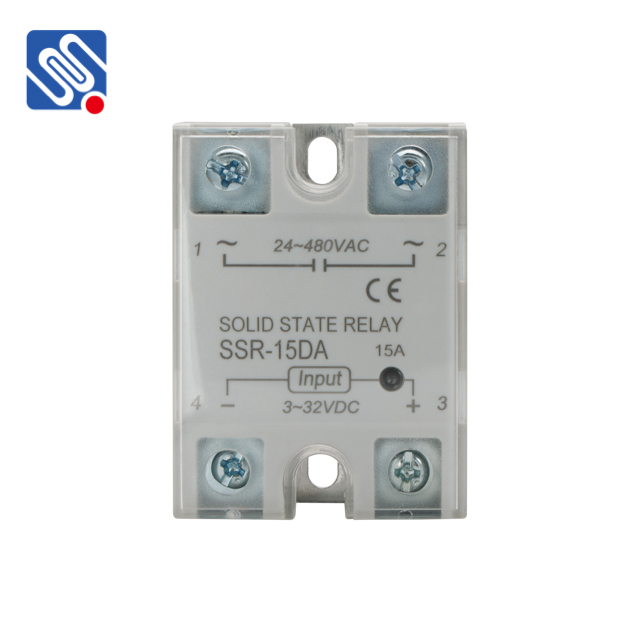
Mechanical Lifespan One of the primary determinants of a relay’s lifespan is its mechanical endurance, which refers to the number of times the relay can operate its switching mechanism before mechanical failure occurs. The mechanical parts of a relay, particularly the contacts and the armature, experience physical wear and tear with each switching action. While mechanical lifespan can vary widely depending on the relay type and design, most relays are rated for several million cycles of operation under normal conditions. For instance, automotive relays might be rated for 100,000 to 500,000 cycles, while industrial relays may offer up to 10 million cycles.