Relay stability is an important concept in control systems, especially when relays are used to switch control actions in a system. A relay is a simple yet essential component in many automatic control systems, offering a means to switch between two states (e.g., on/off) based on certain system conditions. While relays are widely used due to their simplicity and cost-effectiveness, they can present stability challenges in dynamic control systems. This article aims to explore the concept of relay stability, its impact on system performance, and potential solutions to ensure a stable and efficient control system.
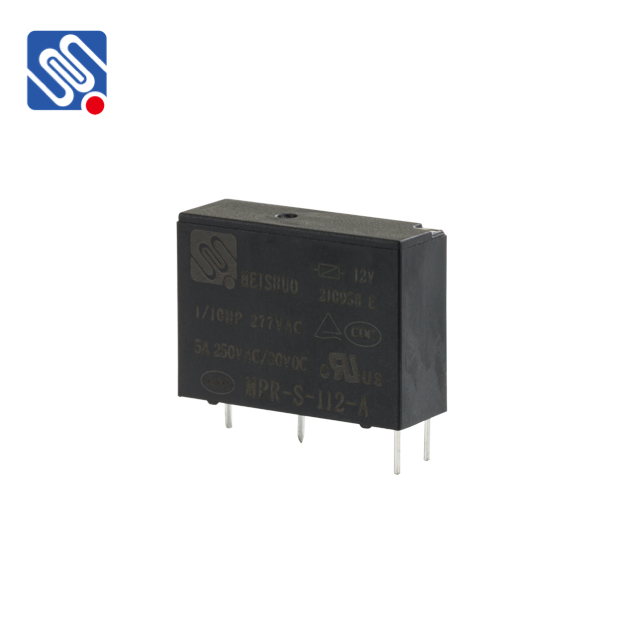
What is Relay Stability? Relay stability refers to the ability of a system, controlled by a relay, to maintain stable performance without experiencing oscillations, instability, or erratic behavior. Relays are typically used in systems where switching between two states is necessary, such as temperature regulation, motor control, or protection systems. However, the inherent nonlinearity and delay associated with relay-based control can lead to instability if not carefully managed. In control theory, systems with relay controllers can exhibit a phenomenon known as relay-induced oscillations. These oscillations occur due to the discrete switching action of the relay, which creates abrupt changes in the system state. If these oscillations are not dampened or controlled, they can result in undesirable behaviors, such as excessive overshoot, slow settling times, or even system failure.