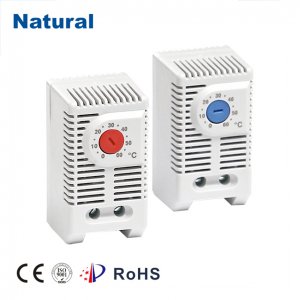
A differential thermostat is a specialized device used to control temperature in various systems by comparing two different temperature points. Unlike standard thermostats that activate or deactivate heating or cooling systems based solely on a single temperature setpoint, differential thermostats employ a unique mechanism to monitor temperature differences. This article explores the principles of differential thermostats, their applications, and the benefits they provide across various industries.
Principles of Differential Thermostats
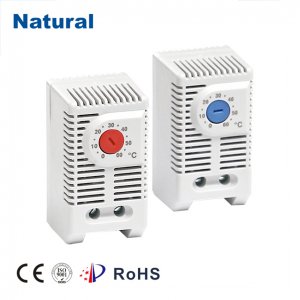
At the core of a differential thermostat’s operation is its ability to detect the temperature difference between two points. This is typically achieved using two temperature sensors. The sensors can be thermocouples, thermistors, or bimetallic strips, depending on the application. These sensors monitor the temperatures of two distinct areas, such as a room and an adjacent space, or the inlet and outlet of a heating or cooling system. When the temperature difference between the two points reaches a predetermined threshold, the differential thermostat activates or deactivates the connected system (such as a heater, cooler, or ventilation system). This mechanism allows for more precise temperature control and enhances energy efficiency. The differential thermostat operates by maintaining a specific range of temperature difference rather than merely switching on or off at a single set temperature.