PVC Solenoid Valves are an essential component in many industrial, commercial, and agricultural applications due to their excellent corrosion resistance, reliability, and cost-effectiveness. These valves, which are made of polyvinyl chloride (PVC), use electromagnetic forces to control the flow of fluids such as water, chemicals, or gases. In this article, we will delve into the working principle, key advantages, applications, and considerations when using PVC solenoid valves in various systems.
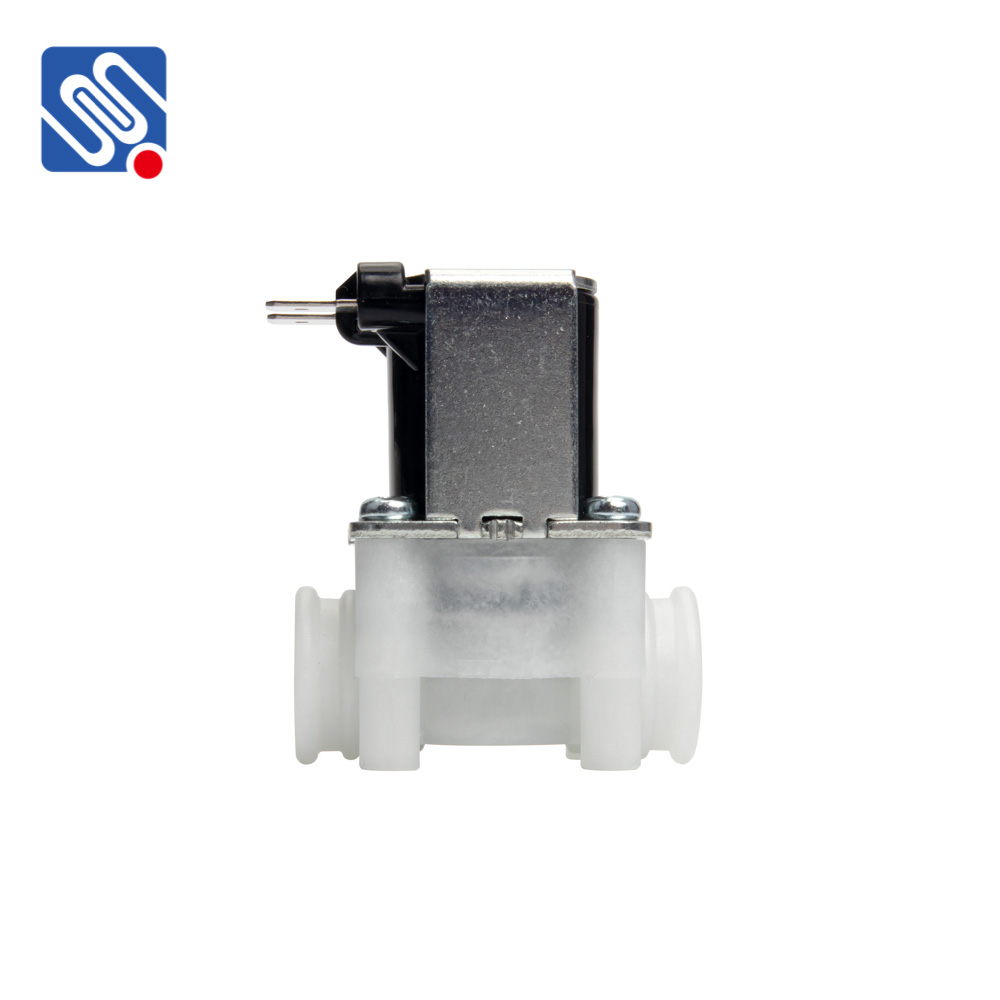
Understanding the PVC Solenoid Valve A PVC solenoid valve operates by using an electric current to control the opening and closing of a valve. It consists of two main components: the solenoid (electromagnet) and the valve mechanism. When electricity flows through the solenoid, it generates a magnetic field that activates the valve, either opening or closing it depending on the type of valve (normally open or normally closed). The use of PVC as the valve body material makes these valves particularly suited for handling corrosive substances, making them ideal for applications where stainless steel or other metals might not be practical due to chemical resistance.