A Building Water Supply Solenoid Valve is a critical component in modern plumbing and water supply systems, offering enhanced automation and control in managing water flow. These valves operate using electrical signals to control the flow of water, making them indispensable for a wide range of residential, commercial, and industrial applications. The growing demand for automated and efficient water management systems has made solenoid valves essential for optimizing water usage, improving safety, and reducing waste. This article explores the components, working principles, advantages, and various applications of building water supply solenoid valves.
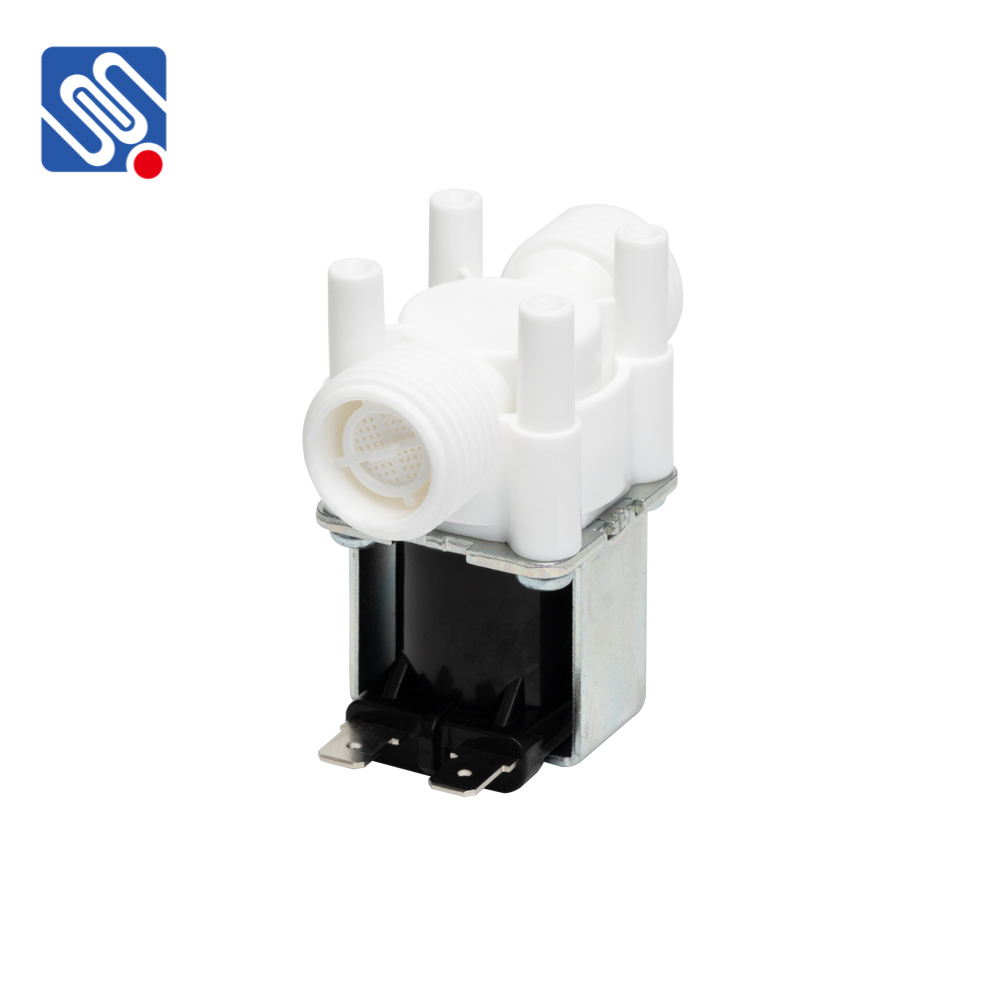
Working Principle A solenoid valve is an electromechanical valve that controls the flow of water based on an electric current. The core of the valve consists of a coil that generates a magnetic field when energized. This magnetic field moves a plunger or piston inside the valve, either opening or closing the flow path. When the current is switched off, the plunger returns to its default position, either closing or opening the valve depending on the type. The solenoid valve can be configured in several ways, with the most common being normally open (NO) and normally closed (NC) configurations. A normally open solenoid valve remains open when the solenoid is not energized and closes when power is applied. In contrast, a normally closed valve remains closed when de-energized and opens when energized. These configurations allow the valve to be tailored to specific system requirements.