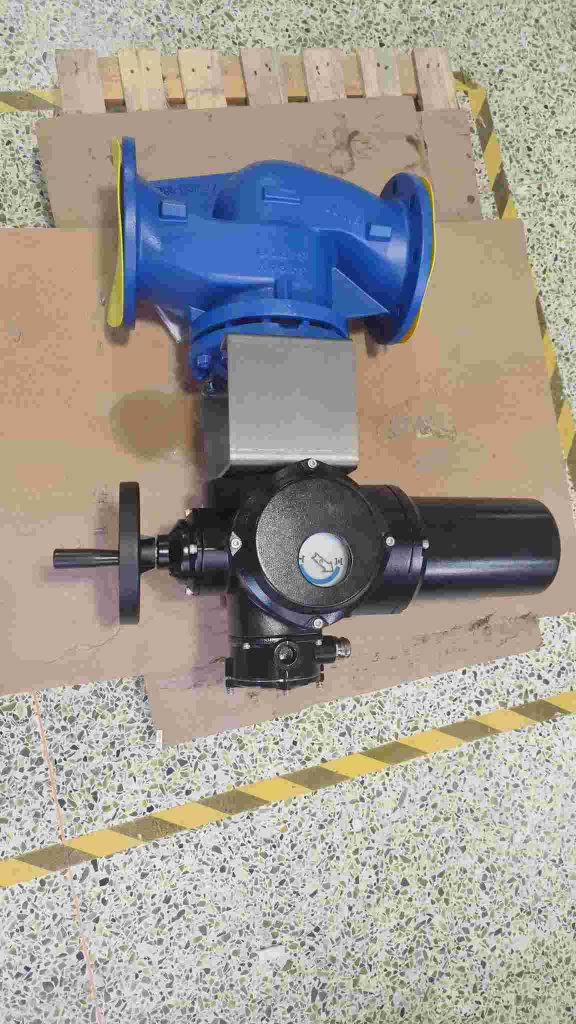
Electric globe valves are an essential component in modern industrial systems, offering precise control over fluid flow. These valves combine the traditional globe valve’s reliability with electric actuators to provide enhanced automation and control. This article delves into the characteristics, applications, and advantages of electric globe valves, emphasizing their role in optimizing industrial processes.
Characteristics of Electric Globe Valves
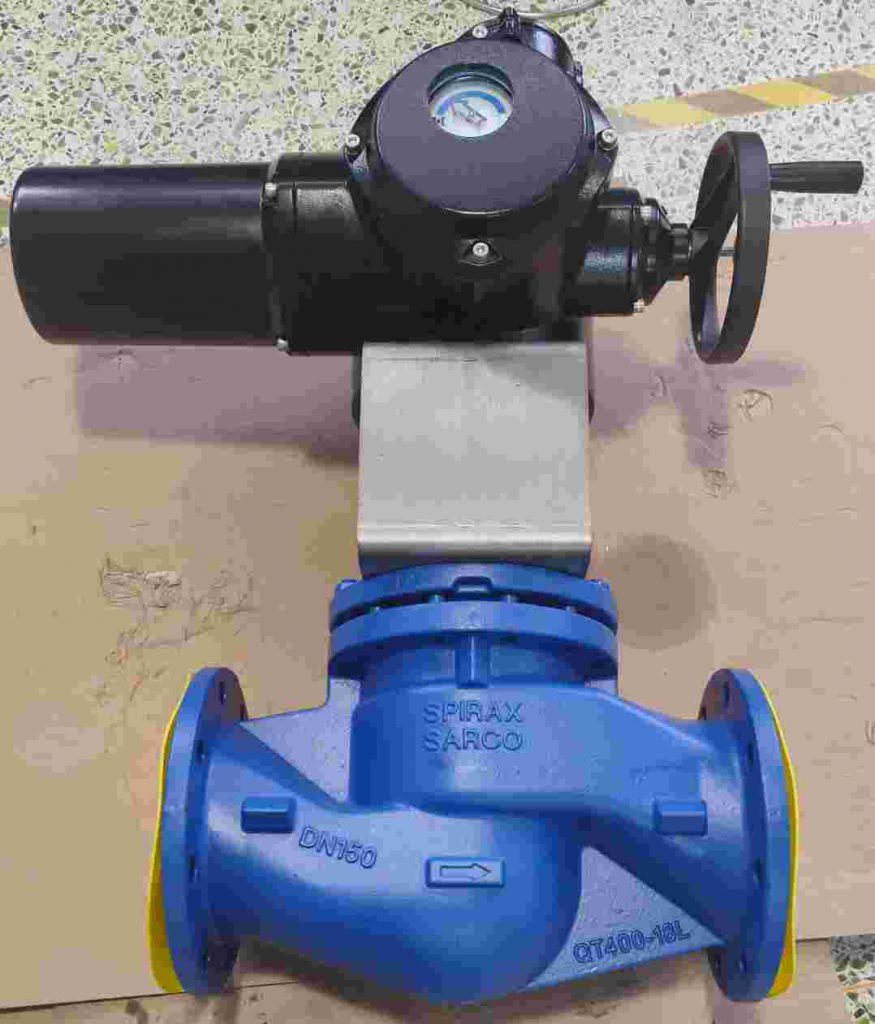
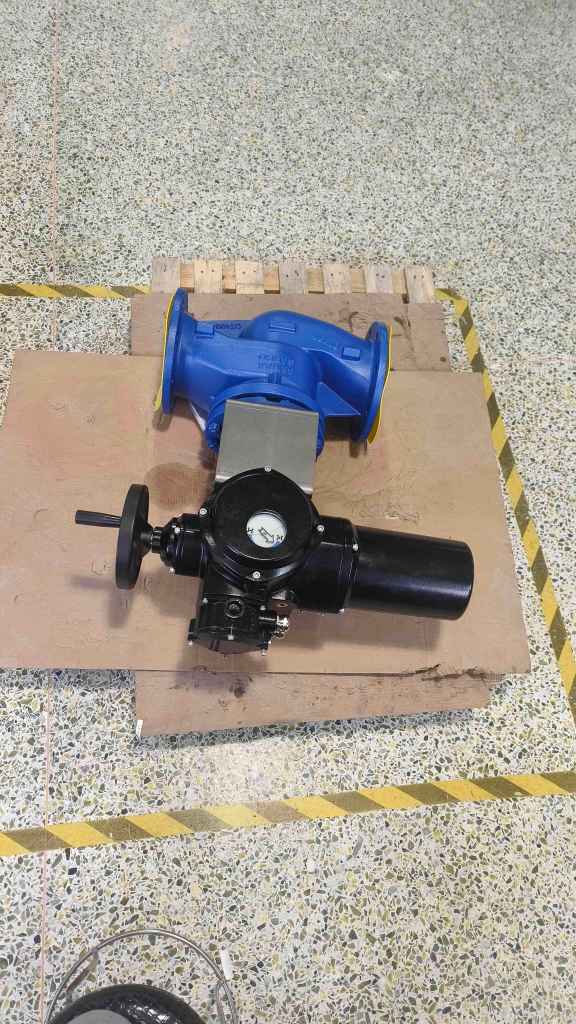
Electric globe valves feature a robust construction designed to manage the flow of various fluids, including water, steam, and gases. They consist of a spherical body with an internal baffle that directs the flow and a disc or plug that regulates it. The valve’s key innovation is its electric actuator, which replaces manual or pneumatic controls. This actuator is powered by an electric motor, enabling precise positioning and control of the valve’s opening and closing. One of the primary benefits of electric globe valves is their ability to provide accurate control of flow rates. The electric actuator allows for fine adjustments, making it possible to maintain a stable flow even under varying pressure conditions. Additionally, these valves are designed to handle high pressures and temperatures, making them suitable for demanding industrial environments.