In modern water systems, whether they are used in residential, industrial, or irrigation applications, plastic valves have emerged as a cost-effective, reliable, and versatile choice. These valves, made from various types of durable plastics, offer a combination of lightweight design, corrosion resistance, and ease of installation. This article will explore the features, advantages, types, and common applications of plastic valves for water systems, shedding light on why they have become a popular solution in the plumbing industry.
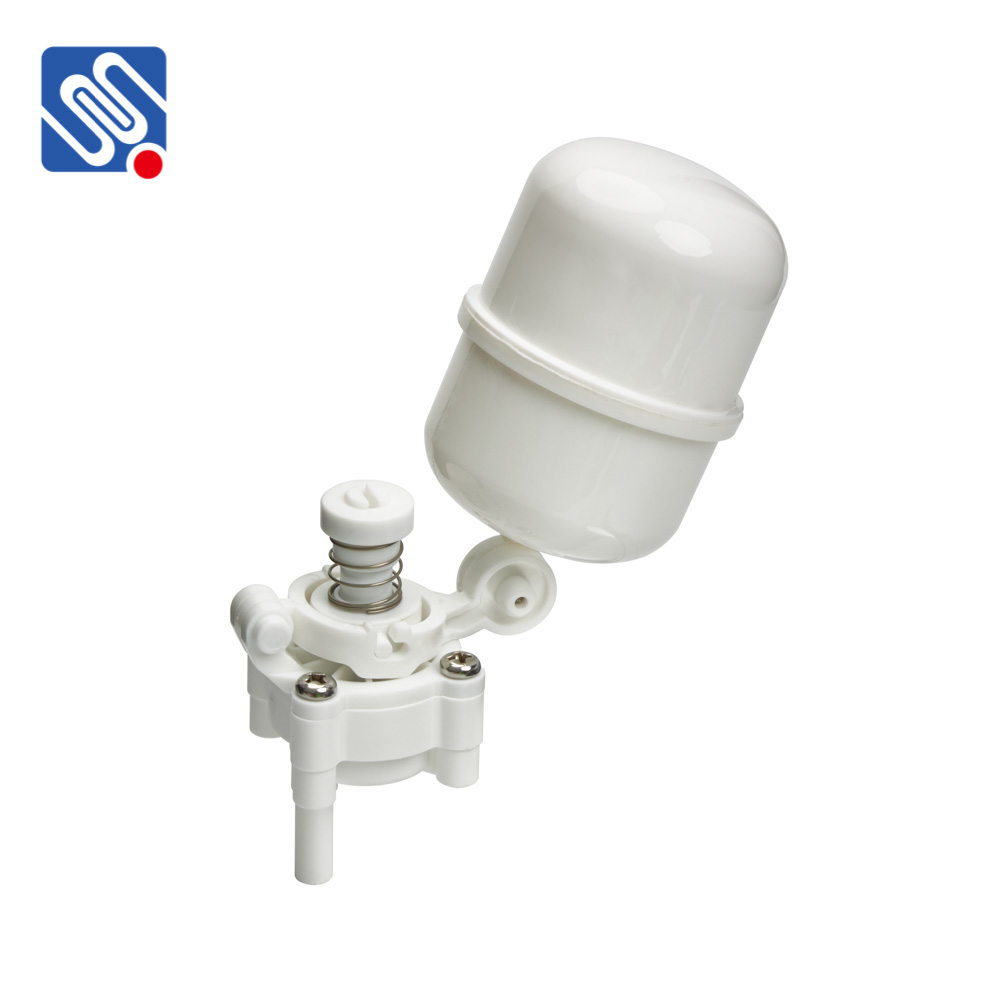
Types of Plastic Valves Plastic valves come in various designs to cater to different water system requirements. The most common types include ball valves, gate valves, check valves, globe valves, and pressure relief valves. Each valve type has specific characteristics that make them ideal for certain applications. Ball Valves: Ball valves are widely used in water systems for controlling the flow of water. They operate using a spherical ball with a hole through the center. When the ball rotates, it either blocks or allows water to flow. Ball valves are reliable, durable, and provide an effective on/off mechanism. They are commonly used in applications where full flow control is needed.