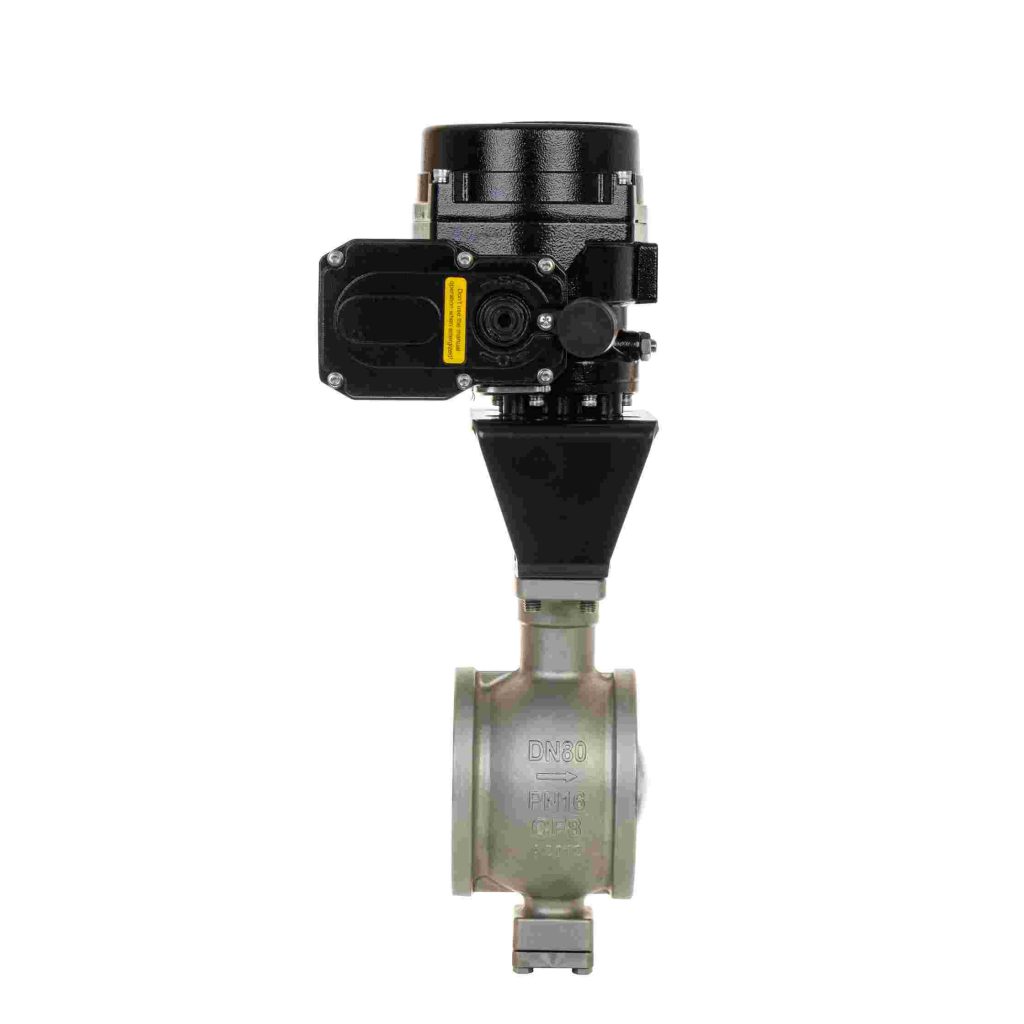
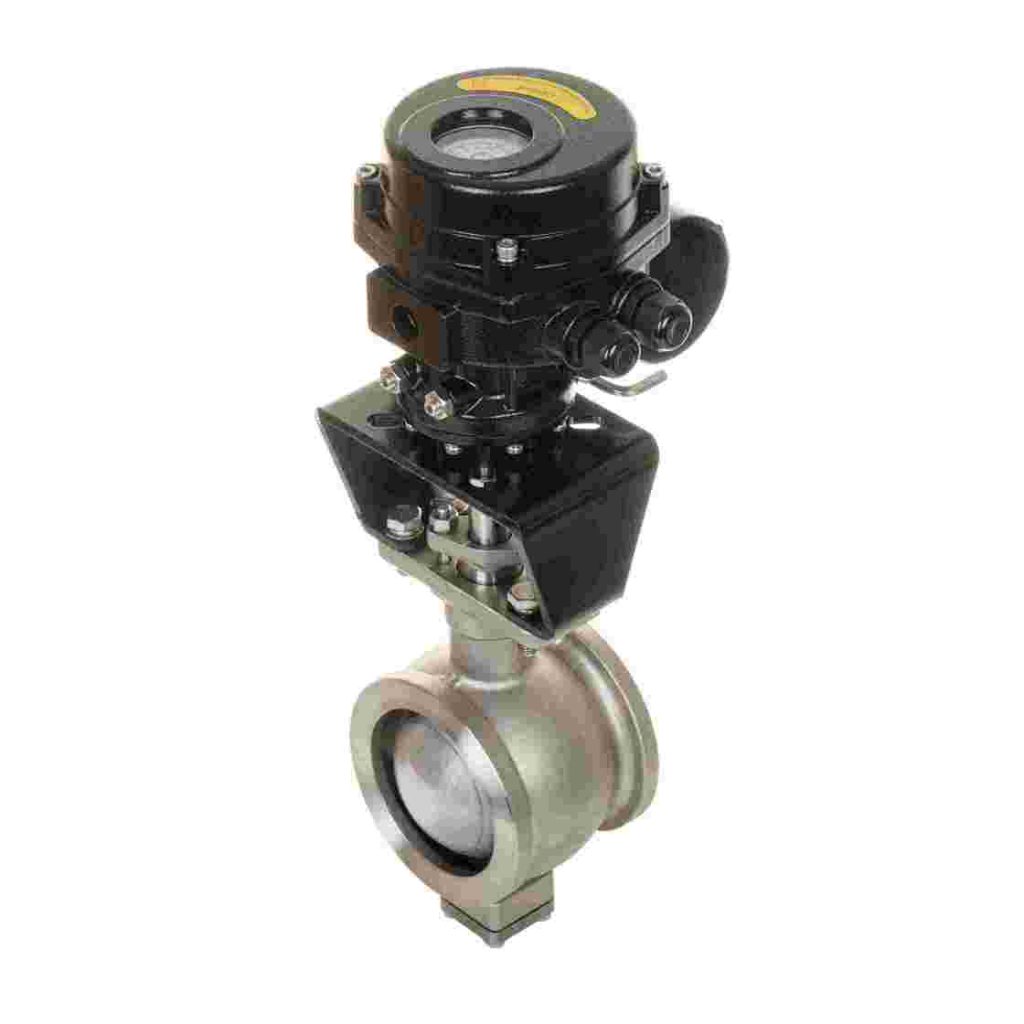
As the world moves toward a more sustainable future, hydrogen energy is gaining attention as a viable alternative to fossil fuels. Among the many components facilitating the efficient use of hydrogen energy, the Hydrogen Energy Electric V-Ball Valve stands out for its crucial role in flow regulation and system integrity. This article explores the significance, design, and applications of this innovative valve in hydrogen energy systems.
Understanding Hydrogen Energy
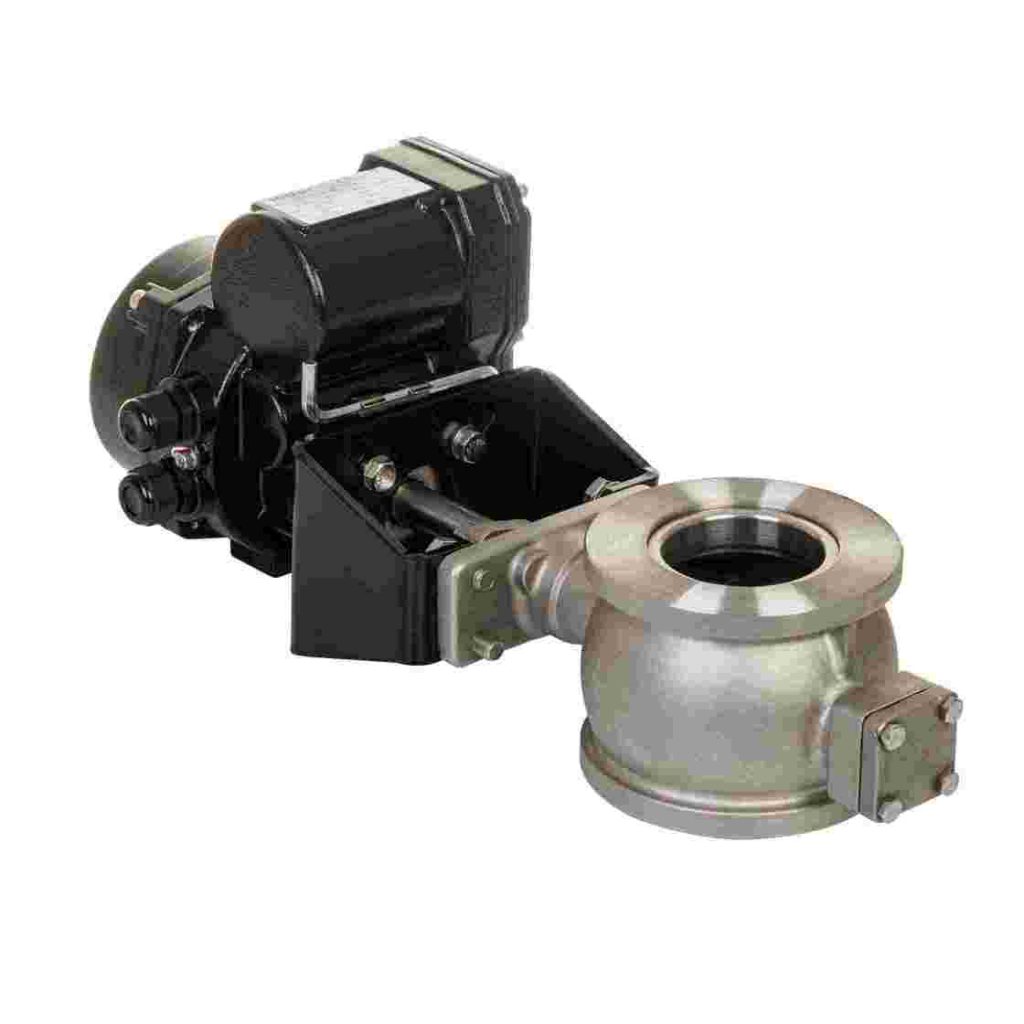
Hydrogen energy is often hailed as a clean fuel source. When burned or used in fuel cells, hydrogen produces only water as a byproduct, making it an environmentally friendly option for various applications. The growing interest in hydrogen stems from its potential to reduce carbon emissions and dependence on non-renewable energy sources. However, to harness hydrogen effectively, efficient control mechanisms are required to manage its flow within energy systems. This is where the Hydrogen Energy Electric V-Ball Valve comes into play. What is a V-Ball Valve? A V-ball valve is a type of control valve characterized by a ball with a V-shaped notch that allows for precise regulation of flow. Unlike traditional valves, which may provide on/off control, the V-ball valve offers a wide range of modulation capabilities. This feature is particularly beneficial in processes requiring fine adjustments to flow rates, making it ideal for applications in hydrogen energy systems.