Relay isolation is a key concept in the design of electrical and electronic circuits, ensuring safety and functionality by providing a barrier between different sections of a system. In an increasingly complex world where electrical devices need to operate efficiently while protecting sensitive components, relay isolation plays an essential role. This article aims to explore the significance, working mechanism, and applications of relay isolation, shedding light on its importance in both consumer electronics and industrial systems.
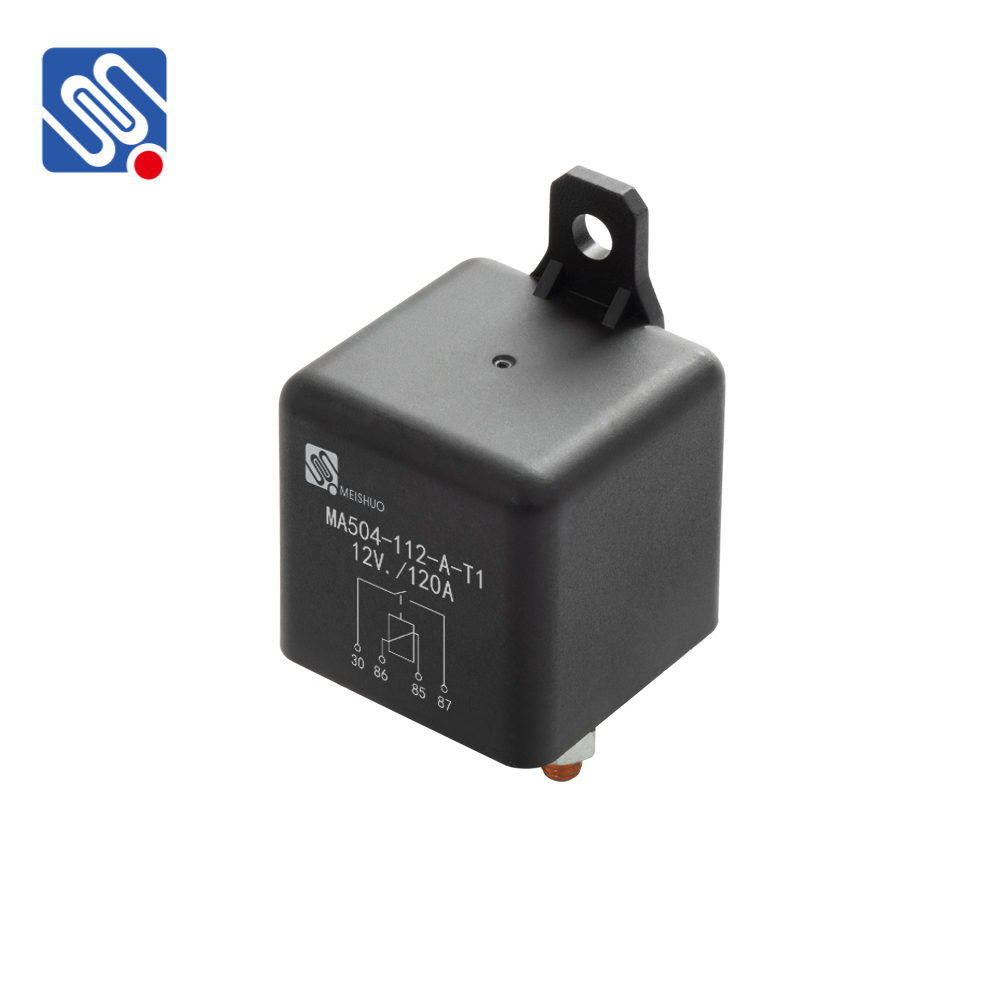
What is Relay Isolation? Relay isolation refers to the electrical separation between the input and output sides of a relay. This isolation is critical to ensure that high voltages or electrical surges do not pass from the output side back to the control circuit, which could potentially damage sensitive components or even cause safety hazards. In other words, relay isolation prevents interference between systems of different voltages and powers, thereby safeguarding both equipment and personnel. A typical relay consists of a coil and a set of contacts. When an electrical signal is applied to the coil, it generates a magnetic field that causes the contacts to open or close. The electrical isolation between the control circuit (input) and the load circuit (output) is achieved through the mechanical separation of these components, which prevents electrical faults from crossing over.