In modern industrial automation, control systems play a critical role in optimizing processes, ensuring safety, and reducing human intervention. One of the essential components in these systems is the 24V DC Industrial Relay. This versatile device is widely used to control the switching of electrical circuits in various industrial applications. In this article, we will explore the workings, features, and applications of 24V DC industrial relays, along with their importance in improving industrial automation.
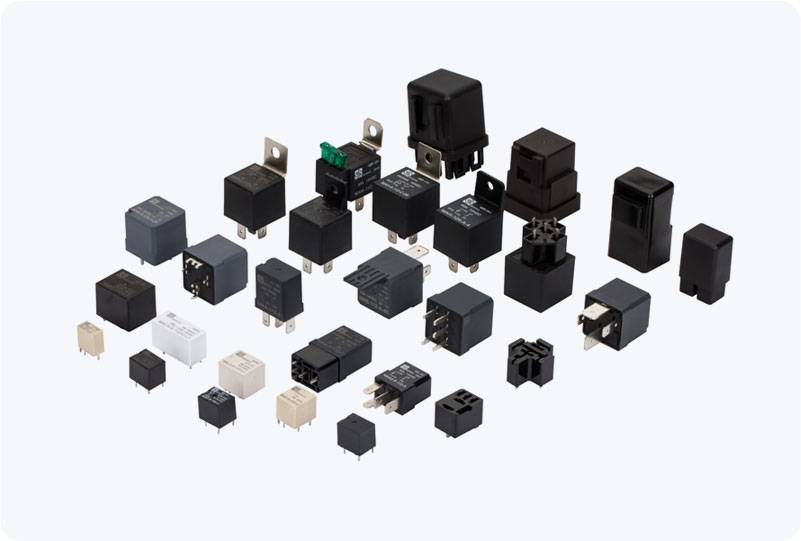
What is a 24V DC Industrial Relay? A 24V DC industrial relay is an electromechanical switch that is used to control the flow of current to an electrical load. It operates on a 24-volt direct current (DC) input to energize a coil, creating a magnetic field that pulls or pushes contacts to open or close a circuit. This allows the relay to control high-power circuits with a low-power control signal, providing isolation between control and power systems. The core components of a 24V DC relay include the relay coil, armature, contacts, and a spring mechanism. When voltage is applied to the coil, it generates a magnetic field, which activates the armature to move and change the state of the contacts. Once the control voltage is removed, the spring mechanism returns the armature to its original position, opening or closing the contacts accordingly.