Understanding 24VDC Relay: A Key Component in Automation and Control Systems
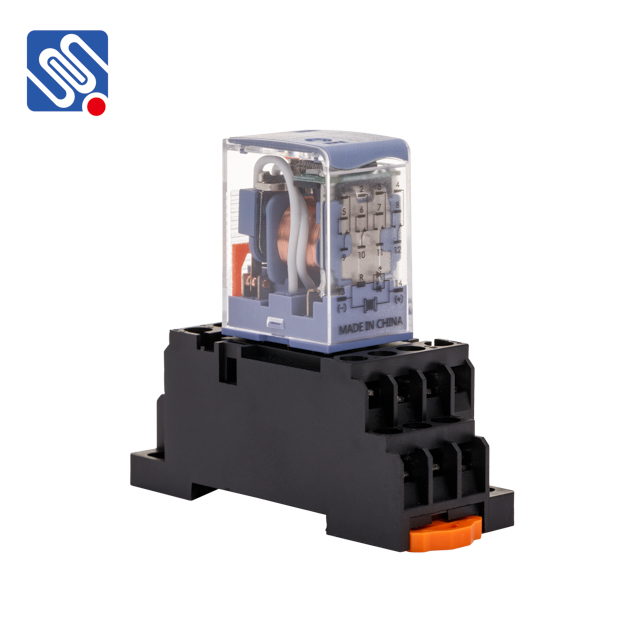
A 24VDC relay is a crucial component widely used in various electrical and electronic systems. Relays are electrically operated switches that control a high-power circuit with a low-power signal. This makes them invaluable for applications where direct control of high-voltage or high-current devices is required by low-voltage control circuits. In this article, we will explore the working principle, features, applications, and benefits of the 24VDC relay. What is a 24VDC Relay? A 24VDC relay is a type of electromagnetic switch that is powered by a 24V direct current (DC) source. The term “24VDC” refers to the voltage applied to the relay’s coil to activate it. When 24VDC is supplied to the coil, it creates a magnetic field that moves the internal contacts of the relay, either closing or opening the circuit. The controlled contacts can switch higher voltage or current levels, thus enabling the relay to control external devices without the need for direct manual intervention.