The Optocoupler Protected Relay Module is an essential component used in electronic systems, particularly when interfacing low-voltage microcontrollers with high-power devices. By providing electrical isolation and protection, it ensures the safety and reliability of the system, preventing damage caused by voltage spikes or power surges. This article delves into the working principles, components, applications, and advantages of this module, highlighting its importance in modern electronics.
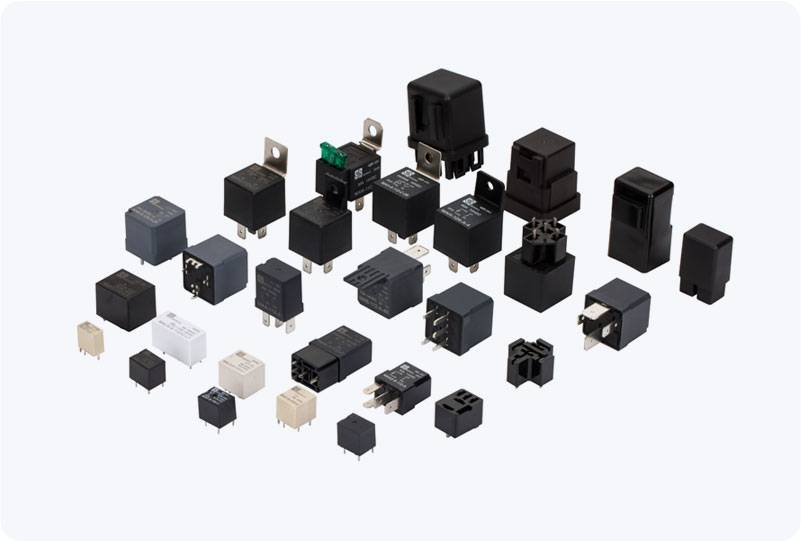
What is an Optocoupler Protected Relay Module? At its core, the Optocoupler Protected Relay Module combines two main components: an optocoupler (also known as an optoisolator) and a relay. The module is designed to control high-voltage equipment using low-voltage signals while ensuring electrical isolation between the control circuit (typically a microcontroller or other logic circuits) and the high-voltage side. This isolation is crucial for protecting sensitive electronics from potentially harmful electrical disturbances. Key Components and Working Principle Optocoupler (Optoisolator): The optocoupler is the heart of the module, providing electrical isolation. It consists of an LED (Light Emitting Diode) and a photodetector (like a photodiode or phototransistor) housed in the same package. When a low-voltage control signal is applied to the LED, it emits light, which is then detected by the photodetector. This optical signal transmits the control signal from the low-voltage side to the high-voltage side, without any direct electrical connection between the two.