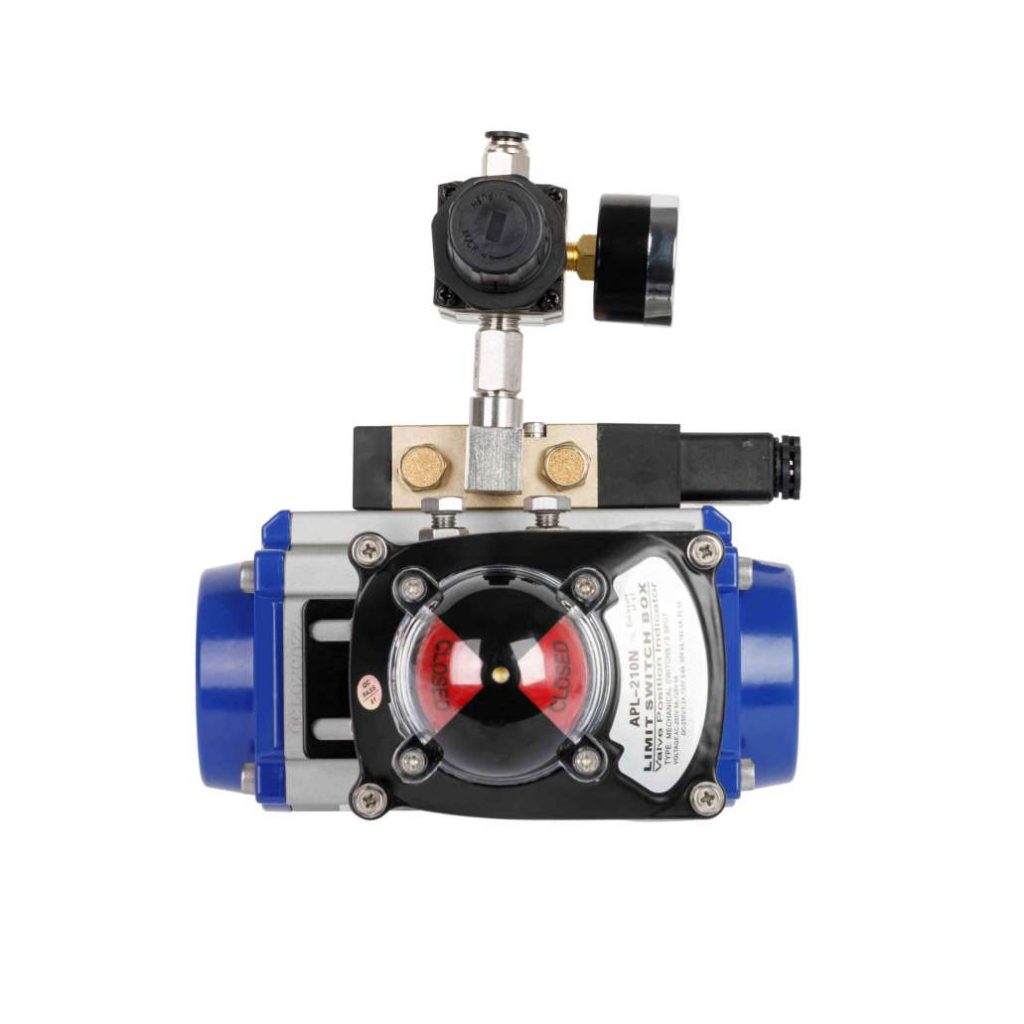
Pneumatic actuators are vital components in various industrial and commercial applications, utilizing compressed air to generate mechanical motion. They convert energy from compressed air into linear or rotary motion, making them indispensable in systems where precise control and power are needed without the use of electrical or hydraulic systems. This article explores the basic principles, types, advantages, and applications of pneumatic actuators.
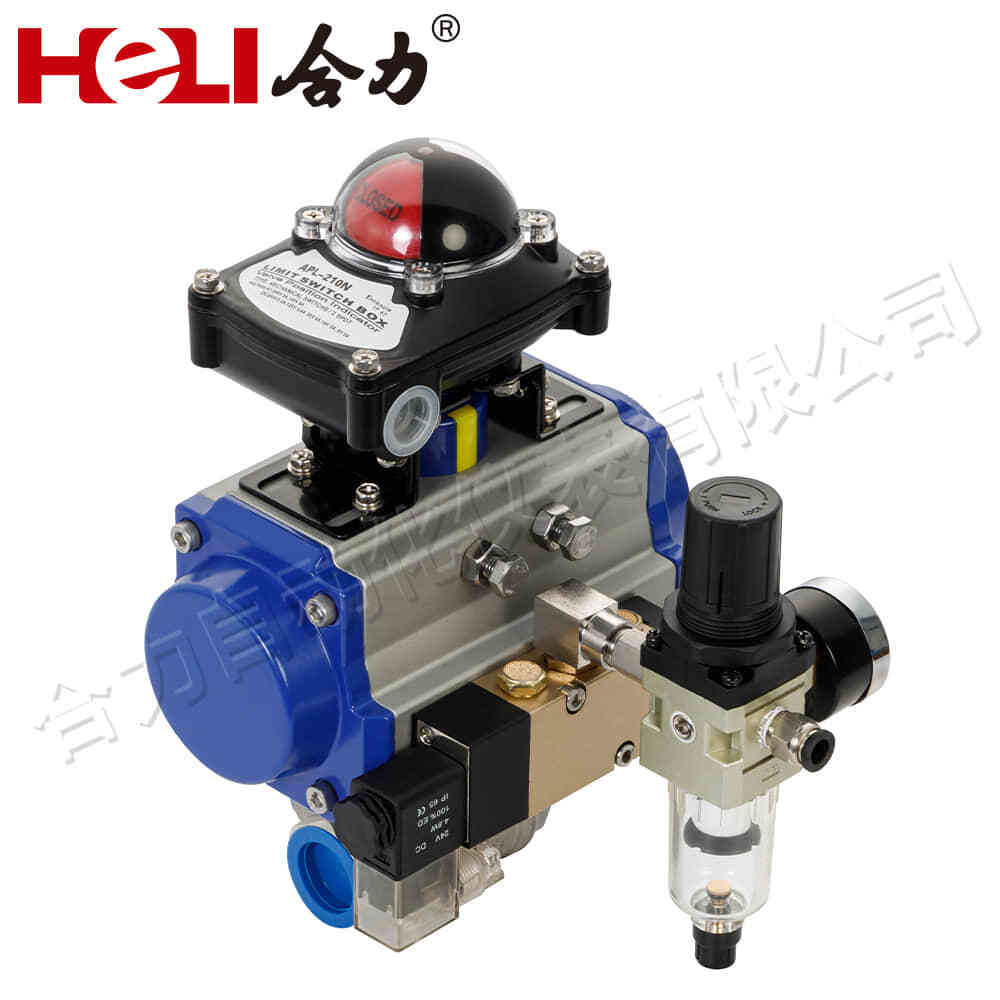
Principles of Pneumatic Actuators
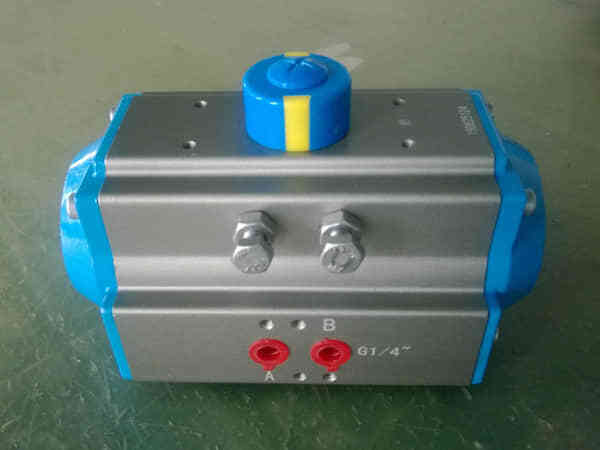
At the heart of a pneumatic actuator lies the simple yet effective principle of compressed air pressure. A typical pneumatic actuator consists of a cylinder or chamber, a piston or diaphragm, and valves for regulating the flow of air. The basic operation begins with compressed air entering the actuator. The air pressure acts on the piston or diaphragm, which creates motion. The direction and speed of the actuator’s movement depend on the amount of air pressure applied, the design of the actuator, and the control systems that govern the air flow. In a linear pneumatic actuator, the movement is back-and-forth in a straight line, while in a rotary pneumatic actuator, the motion is circular, often used for turning or rotating machinery components. The controlled release of air from the actuator allows for precise regulation of motion, ensuring the actuator responds to the demands of the application.