An AC solenoid valve is a critical component used in various industrial and automation systems for controlling the flow of fluids. Whether it’s air, water, or other liquids, AC solenoid valves allow precise control of fluid direction, pressure, and volume, making them essential for numerous applications. This article delves into the working principle, types, applications, advantages, and common issues associated with AC solenoid valves.
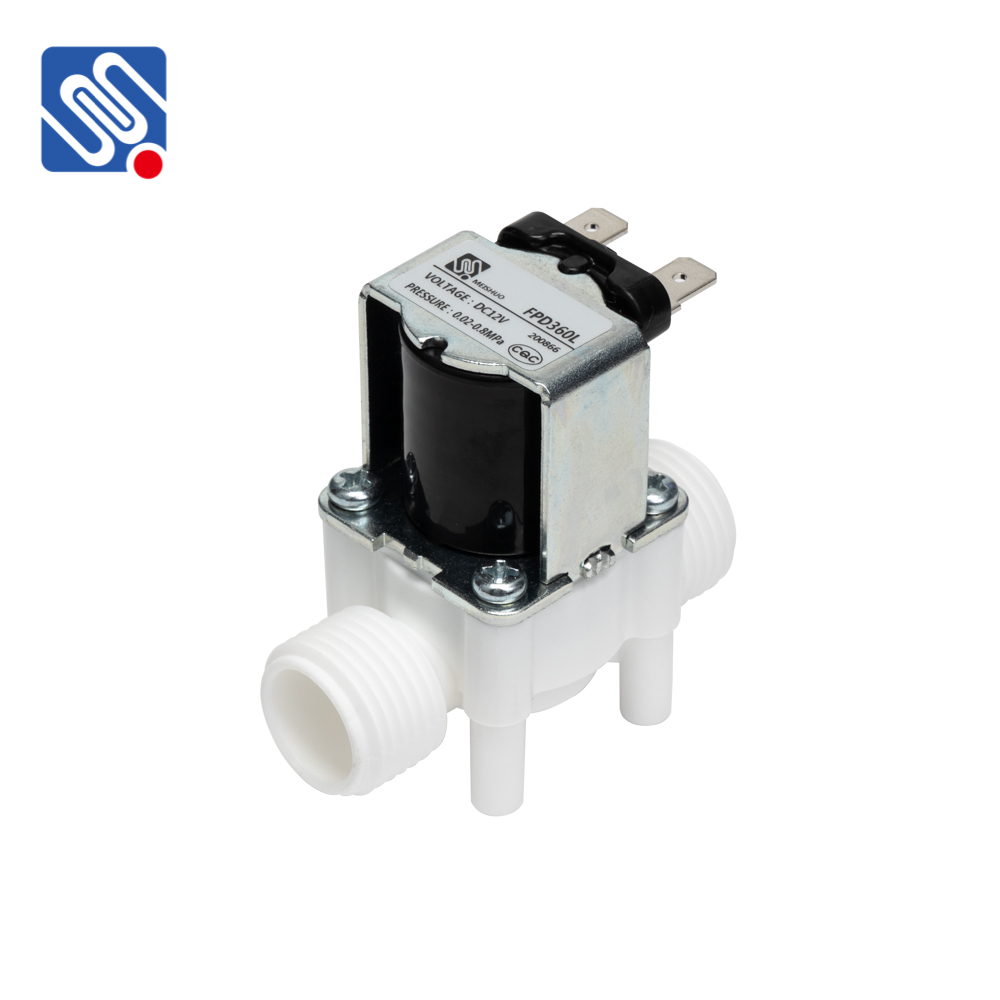
What is an AC Solenoid Valve? An AC solenoid valve is an electrically operated valve controlled by alternating current (AC). The valve consists of an electromagnetic solenoid coil and a movable plunger, which opens or closes the valve based on the electromagnetic field generated by the solenoid. When the solenoid is powered by AC, it creates a magnetic field that moves the plunger, allowing or stopping the flow of fluid through the valve. The AC voltage typically powers these solenoid valves, with common voltages being 110V or 220V depending on the region. How Does an AC Solenoid Valve Work?