The SO 280 relay socket plays an essential role in a variety of electrical systems, providing a reliable and efficient method for connecting relays to circuits. In many industrial applications, automation systems, and electronic devices, relay sockets like the SO 280 are crucial for ensuring proper functionality, safety, and ease of maintenance. This article delves into the characteristics, uses, and benefits of the SO 280 relay socket, highlighting its importance in modern electrical infrastructure.
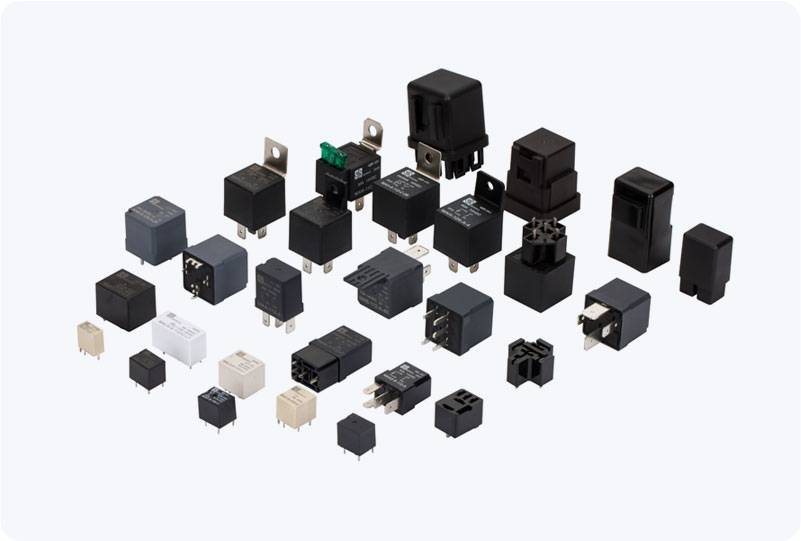
What is the SO 280 Relay Socket? The SO 280 relay socket is a standardized component designed to securely hold a relay in place, providing a stable electrical connection. The name “SO” generally refers to “Socket,” while “280” refers to the specific size or dimensions of the socket. The SO 280 socket typically accommodates relays that conform to this standard, ensuring a consistent and easily replaceable connection for relays in electrical and control systems. A relay is an electrically operated switch that controls the flow of current in a circuit. By using a relay, it’s possible to control high-power circuits with low-power signals, making them invaluable in various applications, from industrial automation to home appliances. The SO 280 socket, in this case, simplifies the process of connecting and disconnecting these relays, allowing for easy relay installation, maintenance, and replacement without requiring complex rewiring.