Relays are integral components in various electrical and electronic systems, playing a crucial role in enabling the control of high-power circuits using low-power signals. These devices are widely used across diverse industries, from automotive to industrial automation, communications, and home appliances. As a result, relay suppliers have become vital players in ensuring that these industries maintain efficient, reliable, and safe operations. This article provides an overview of relay suppliers, their roles, and the importance of selecting the right supplier for different applications.
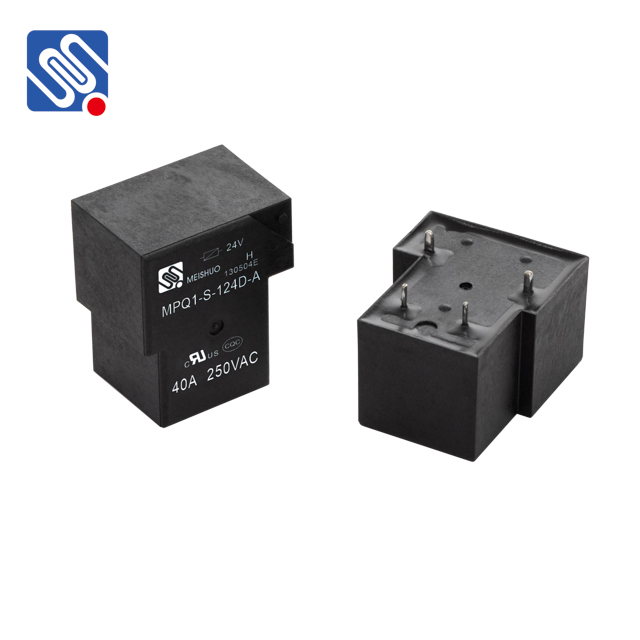
Understanding Relays and Their Applications A relay is an electrically operated switch that allows one circuit to control another. The relay typically uses an electromagnet to open or close the circuit, making it an essential device for systems where controlling high-voltage or high-current circuits with low-voltage or low-current signals is required. These characteristics make relays ideal for a variety of applications, such as motor controls, protection circuits, signal isolation, and logic control. Relays are used in numerous industries, including automotive, industrial automation, telecommunications, renewable energy systems, and household appliances. In the automotive sector, for instance, relays control components such as lights, windows, and security systems. In industrial automation, relays are often used in control panels to manage equipment and systems. Meanwhile, in the telecommunications industry, relays facilitate switching operations in telecommunication networks.