Relay drive circuits play a vital role in many electrical and electronic systems, enabling low-power control of high-power devices. These circuits are integral to automated processes, industrial control systems, home appliances, and many other applications where high-current devices need to be switched on or off remotely. In this article, we will explore the principles of relay drive circuits, their applications, and the key considerations in designing a reliable and effective relay drive system.
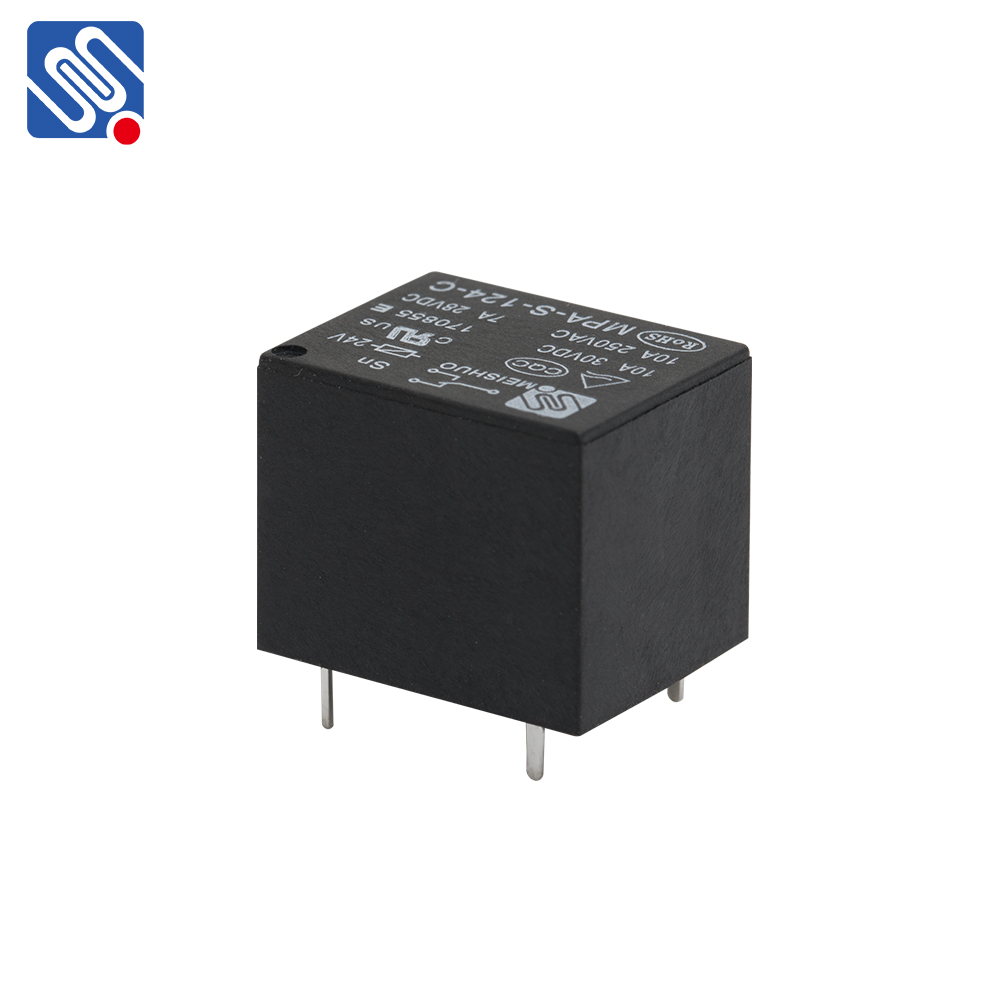
What is a Relay Drive? A relay drive circuit is designed to control the operation of a relay. A relay itself is an electromagnetic switch that allows a low-power input signal to control a higher-power load. It works on the principle of electromagnetism: when current flows through the coil of the relay, it creates a magnetic field that moves a mechanical arm, which in turn changes the state of the contacts. These contacts can either close or open depending on the relay’s configuration, allowing the control of devices such as motors, lights, or other electrical equipment. The Basic Components of a Relay Drive Circuit