Understanding Relay Wiring: A Guide to Efficient Electrical Control
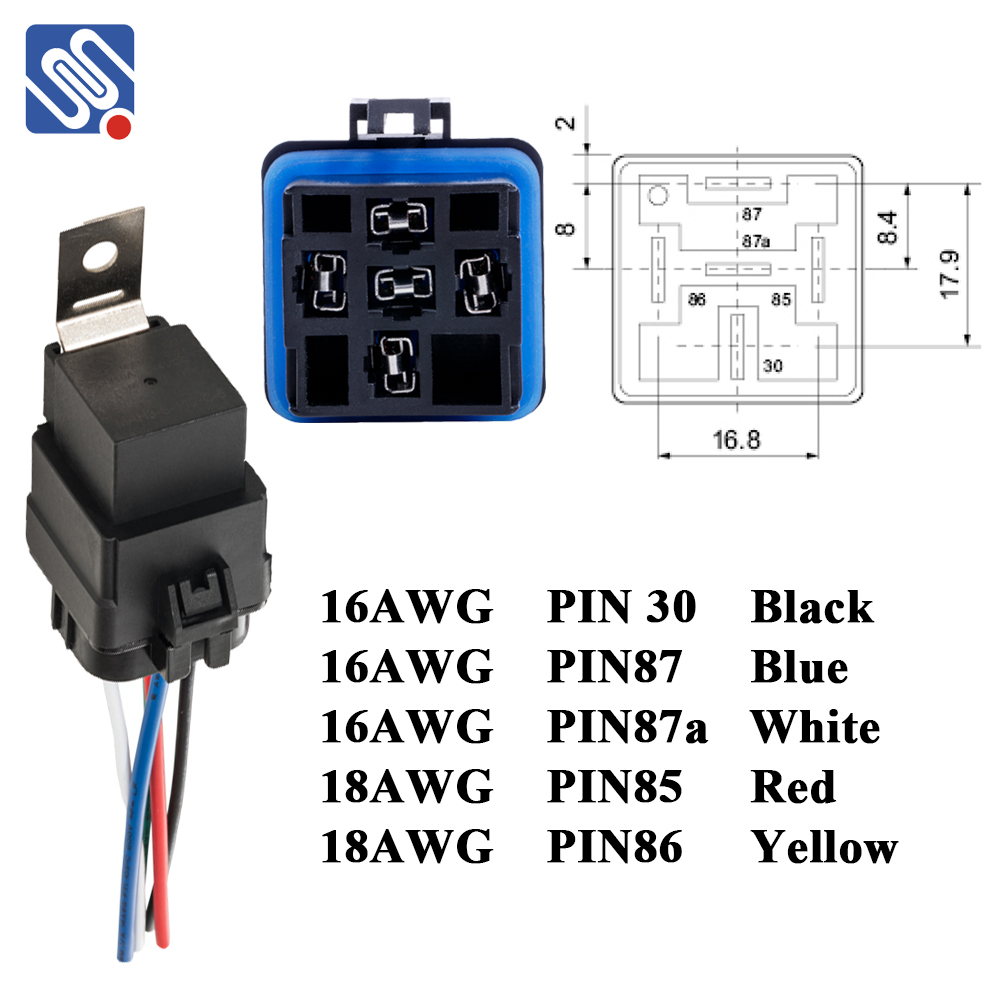
Relay wiring is an essential concept in the world of electrical engineering and automation. A relay, which is essentially an electrically operated switch, is widely used to control circuits with a low-power signal or to switch multiple circuits simultaneously. By learning about relay wiring, one can gain a deeper understanding of how electrical systems are controlled and automated, which is crucial for designing efficient and safe systems. This article will explore the basics of relay wiring, its components, and common applications. What is a Relay? At its core, a relay is an electromagnetic switch that allows a small electrical signal to control a much larger electrical current. The most basic function of a relay is to open or close a circuit based on an input signal, usually from a microcontroller, switch, or a sensor. When the relay coil is energized, it generates a magnetic field that moves an internal armature, which either opens or closes the relay’s contacts.