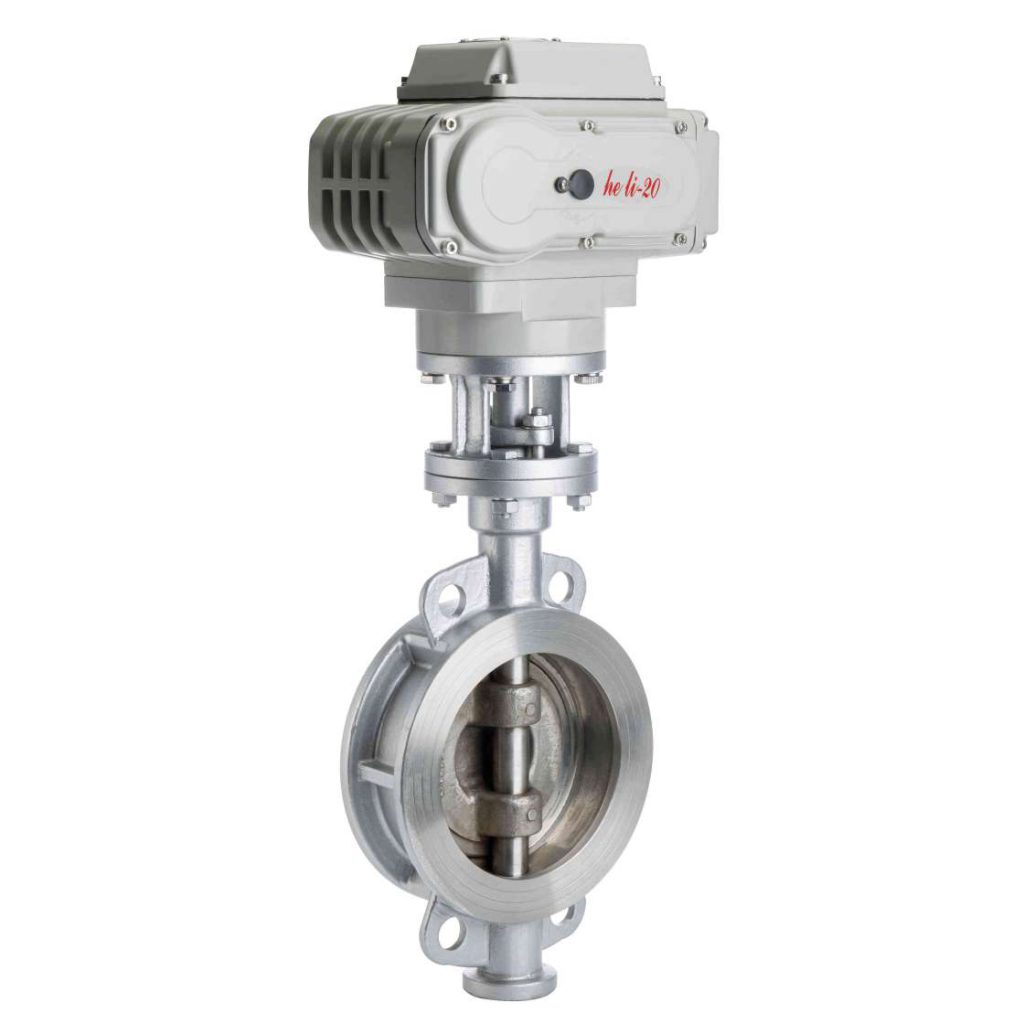
The Electric Three Eccentric Butterfly Valve is a sophisticated valve technology designed to enhance flow control in various industrial applications. Its unique structure, coupled with electric actuation, makes it a preferred choice for many industries, including water treatment, oil and gas, power generation, and chemical processing. In this article, we will delve into the operational principles, advantages, applications, and maintenance considerations associated with this innovative valve.
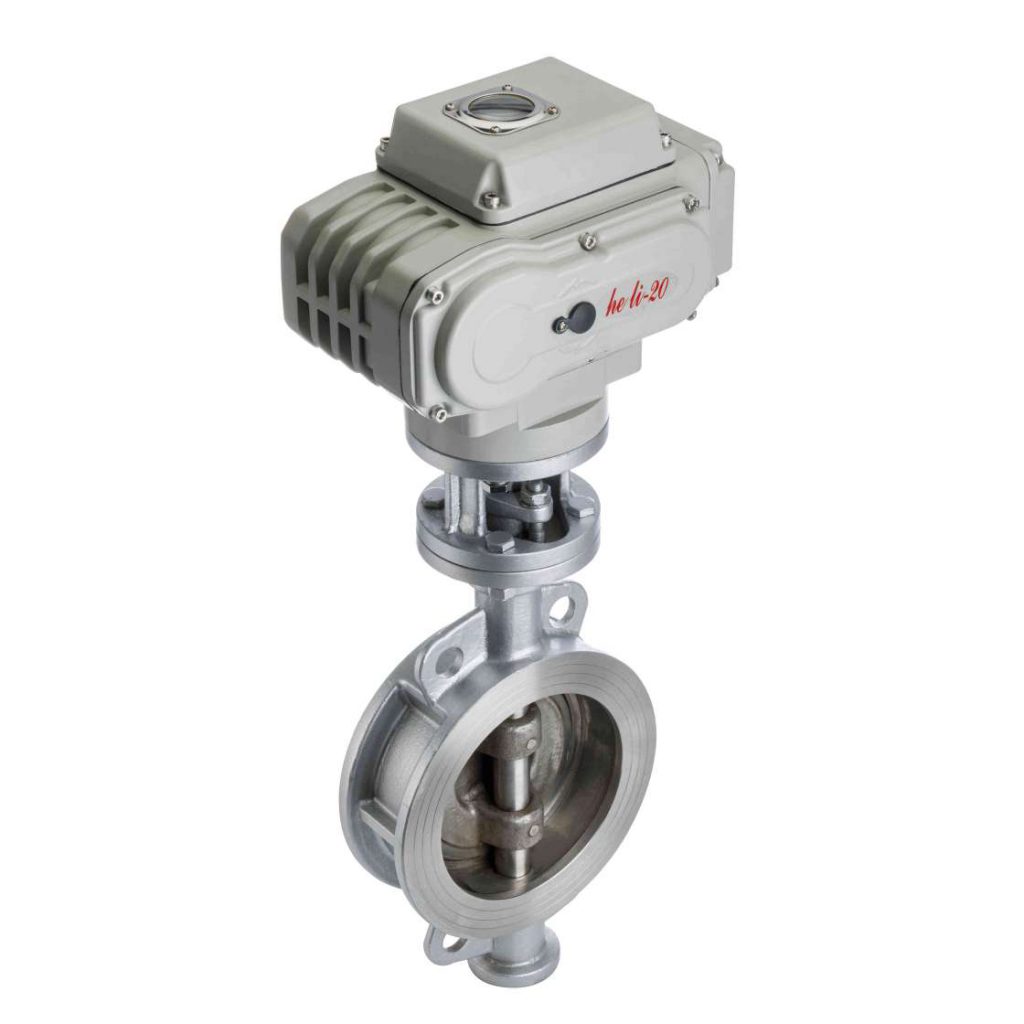
Operational Principles
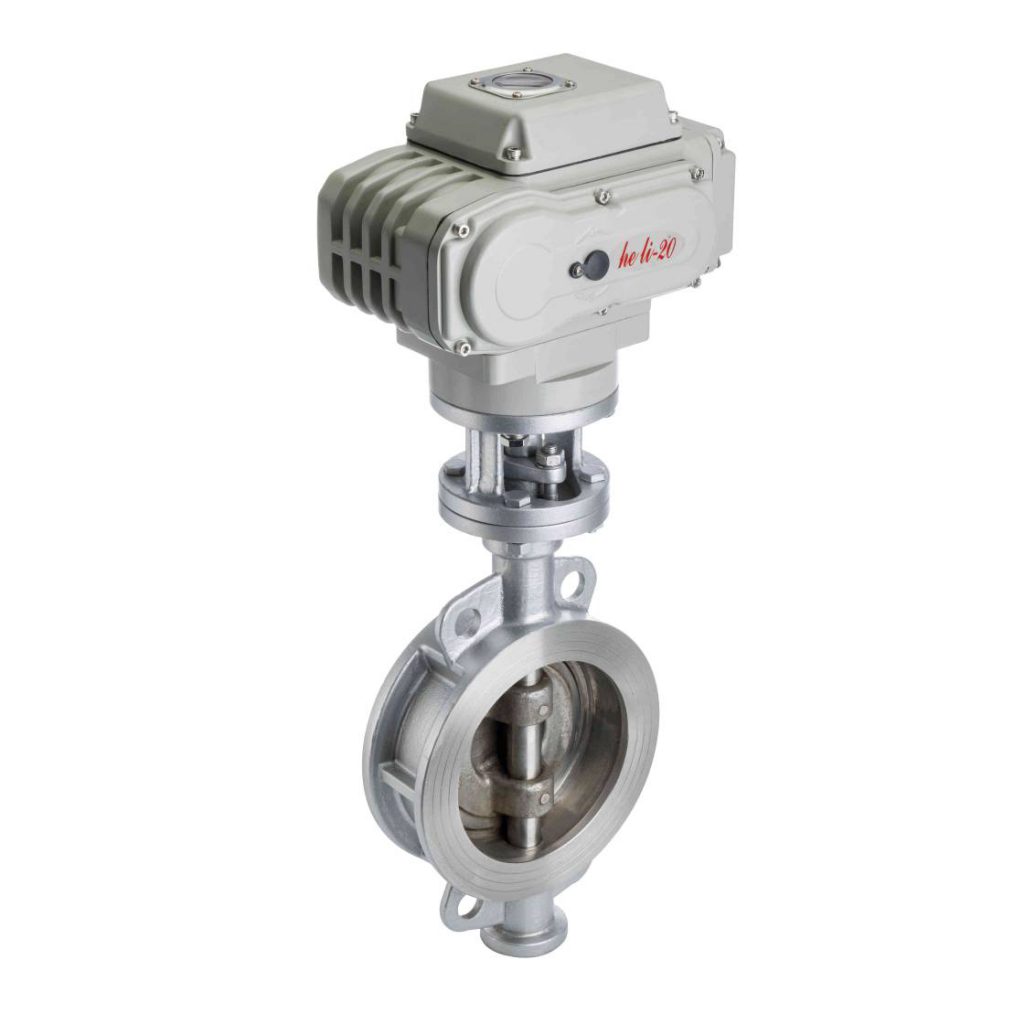
The Electric Three Eccentric Butterfly Valve is distinguished by its unique three-eccentric design, which is pivotal in improving the sealing performance and operational efficiency of the valve. Unlike traditional butterfly valves that typically have a single axis of rotation, the three-eccentric design introduces additional eccentricity in the valve disc’s positioning. This means that as the valve opens and closes, the disc moves away from the seat earlier in the rotation process, reducing friction and wear on the sealing surfaces. When the valve is closed, the disc presses against the seat, creating a tight seal that minimizes leakage. The electric actuator, which can be either a servo motor or a stepper motor, provides precise control over the valve’s position. This ensures quick response times and allows for accurate modulation of flow rates, making it suitable for applications that require stringent flow control.