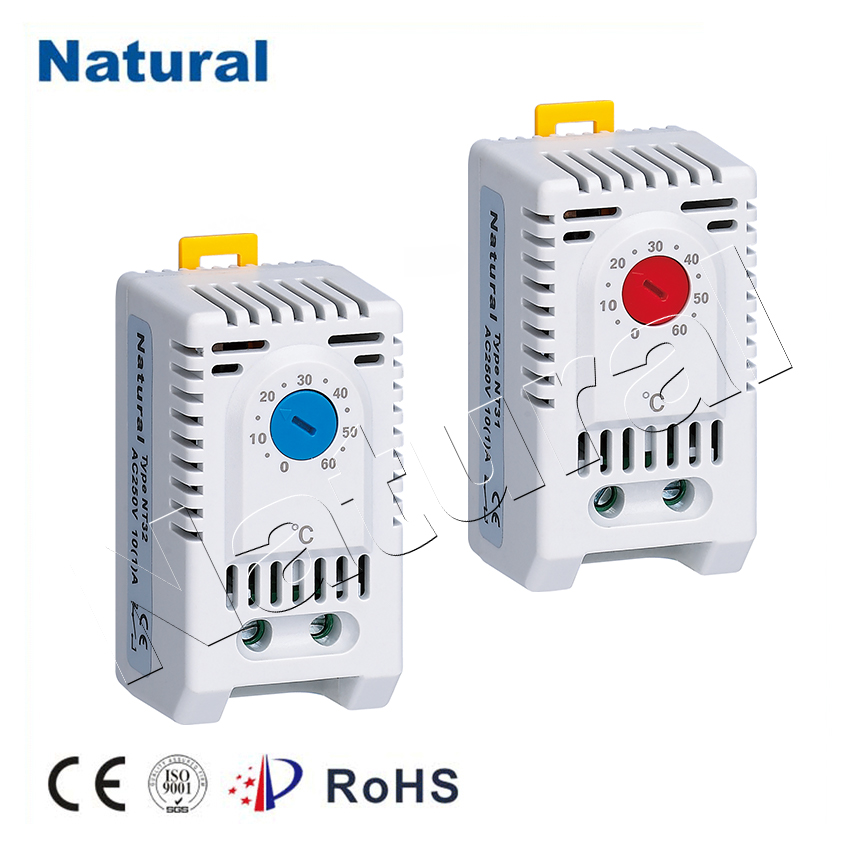
DIN Rail temperature controllers are essential devices in modern industrial and commercial automation systems. These compact, efficient, and reliable controllers help manage and regulate temperature in a wide range of applications, from HVAC systems to manufacturing processes. In this article, we will explore the functionality, applications, and benefits of DIN Rail temperature controllers, shedding light on their role in ensuring precise temperature control in various industries.
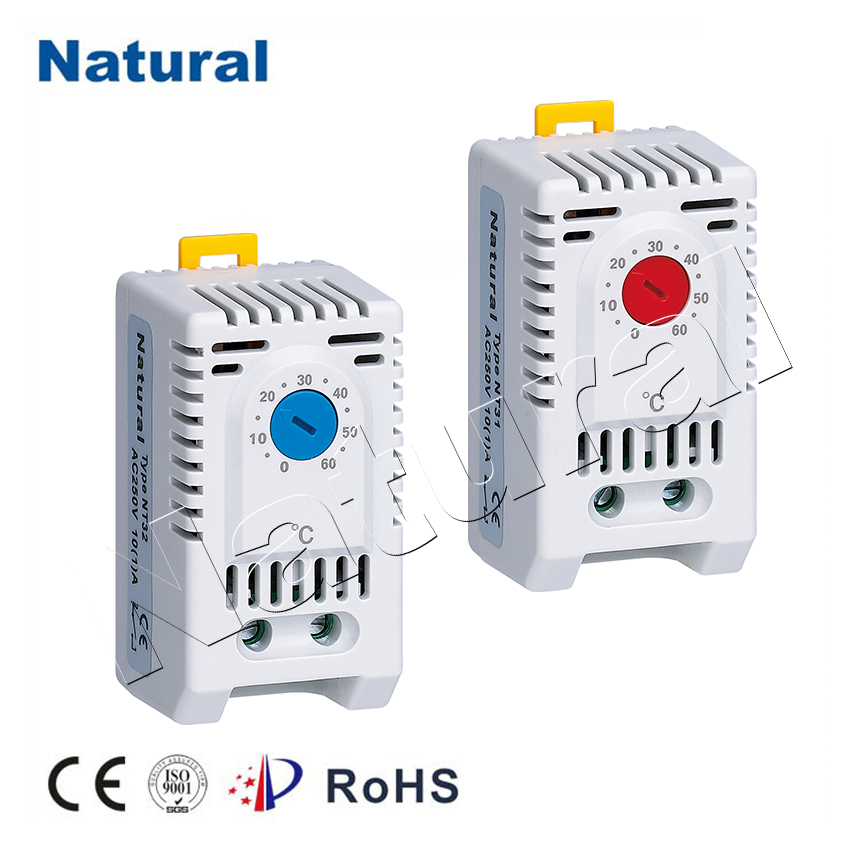
What is a DIN Rail Temperature Controller?
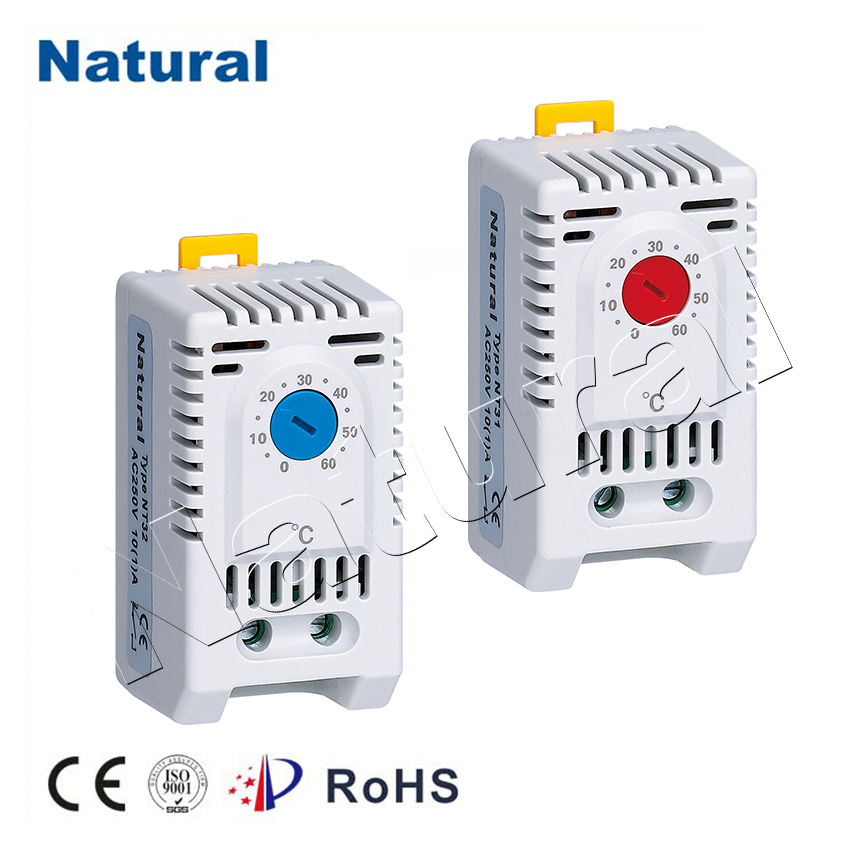
A DIN Rail temperature controller is a device designed to monitor and regulate the temperature within a specific range. It is typically mounted on a DIN rail, a standardized metal rail commonly used for mounting electrical components in control cabinets. The controller features sensors to measure temperature, a processing unit to calculate the required adjustments, and outputs to control heating or cooling elements. These controllers offer a simple, space-saving, and efficient solution for managing temperature in industrial environments. Key Features of DIN Rail Temperature Controllers Compact and Space-Efficient Design: One of the standout features of DIN Rail temperature controllers is their compact design. The DIN rail mounting system allows for easy integration into control panels, saving valuable space. This is particularly beneficial in industrial settings where space is limited and every square inch counts.