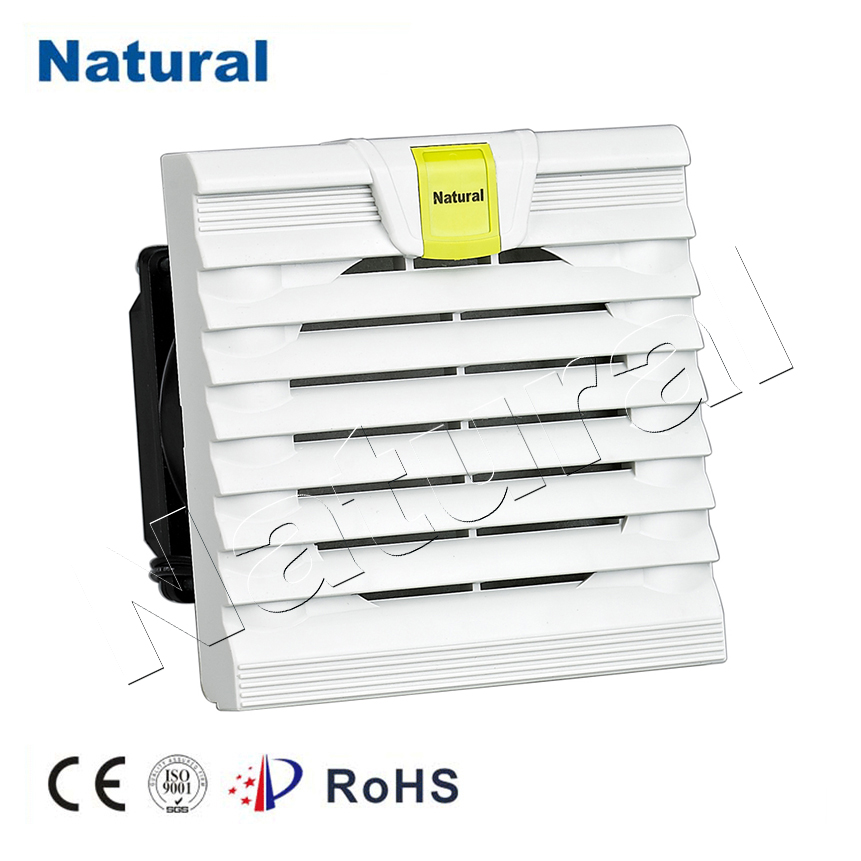
In the world of electronic equipment, proper cooling is crucial to ensure longevity, performance, and reliability. Among the various cooling solutions, cabinet fans and filter fans are two popular options used to maintain optimal temperatures in electronic enclosures. These fans not only help regulate internal temperatures but also protect sensitive components from dust and other contaminants. In this article, we will explore the functions, benefits, and differences between cabinet fans and filter fans, shedding light on their importance in various applications.
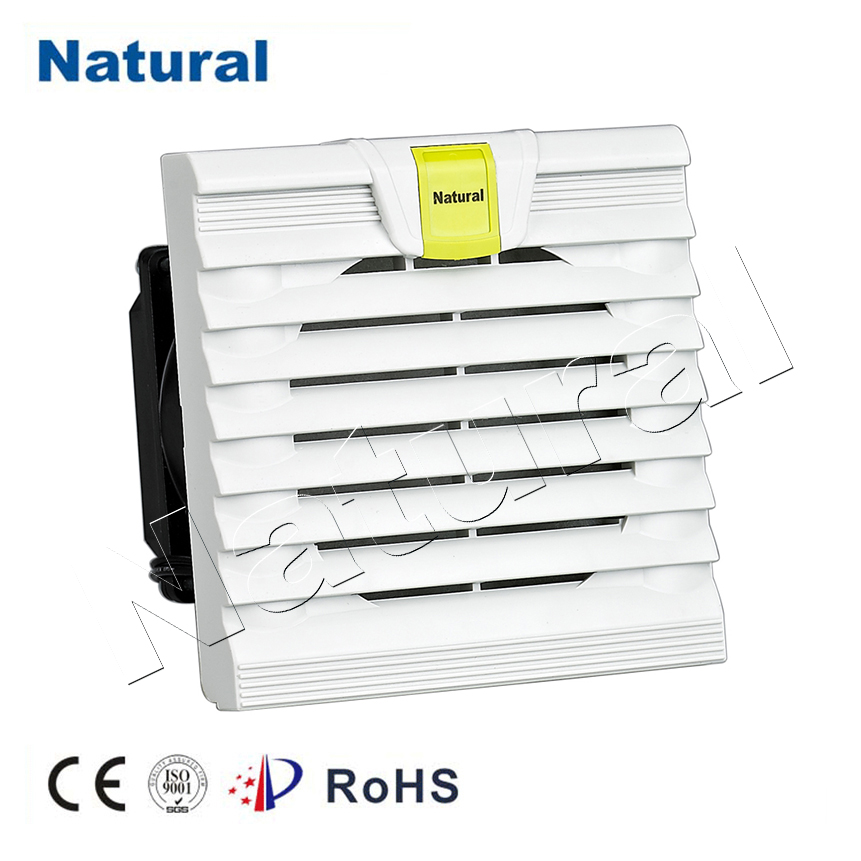
Cabinet Fans: The Essential Cooling Solution
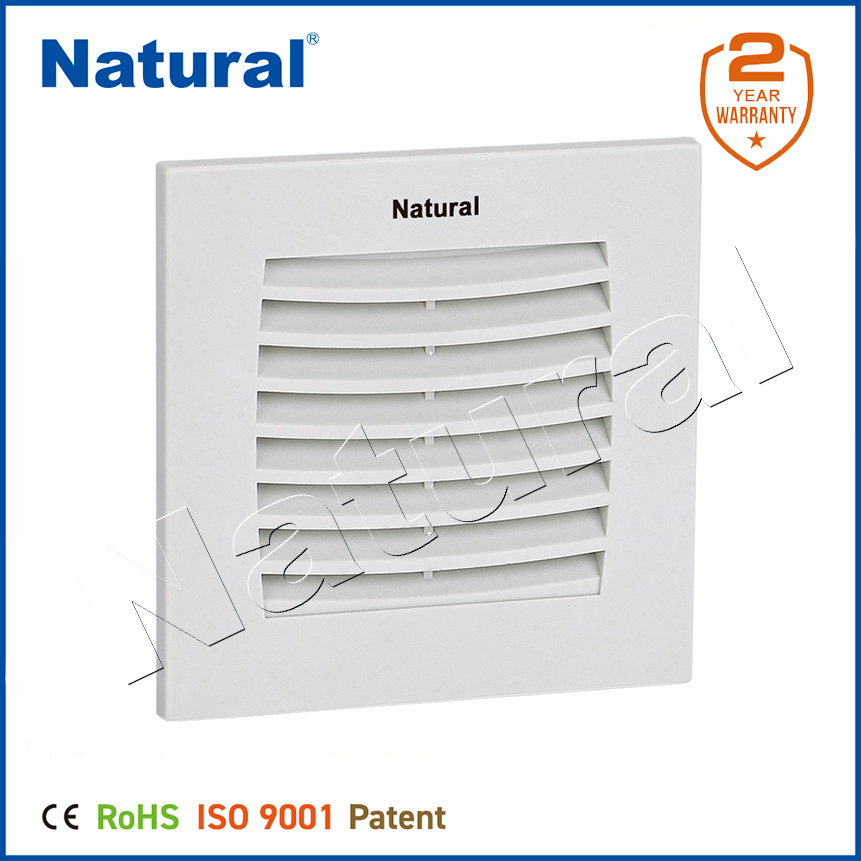
A cabinet fan is a device designed to cool electronic equipment housed within an enclosure or cabinet. These fans are typically used in environments where heat buildup within the cabinet can be detrimental to the operation of electronic devices. Cabinet fans are installed to improve airflow, drawing hot air out of the cabinet and allowing cool air to circulate in. This prevents overheating, which can lead to system failures, reduced performance, and even permanent damage to critical components. The primary function of a cabinet fan is to maintain a stable internal temperature by continuously circulating air. This is particularly important in industries where devices such as servers, control panels, or electrical cabinets are placed in confined spaces without sufficient natural ventilation. By ensuring effective airflow, cabinet fans help to extend the lifespan of electronic components, preventing overheating and reducing the likelihood of malfunctions.