A high current car relay plays a critical role in modern automotive electrical systems, offering an essential solution for controlling high-power circuits with a low current input. These relays are often the unsung heroes in car electronics, allowing the safe and efficient operation of various heavy-duty components without overloading or damaging the vehicle’s wiring. This article will explore the purpose, applications, and technical details of high current car relays, shedding light on their importance in the automotive industry.
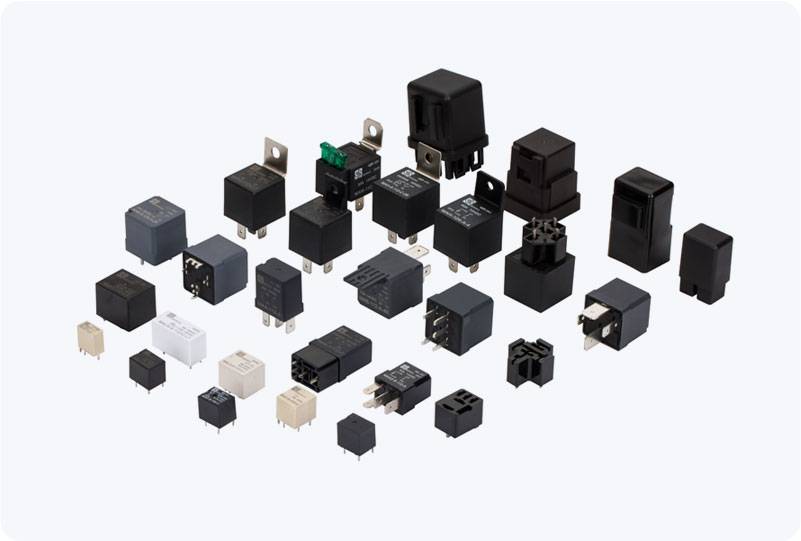
What Is a High Current Car Relay? A high current car relay is an electromagnetic switch designed to handle large amounts of electrical current, often ranging from 30 amps to over 200 amps. It operates by using an electromagnet to open and close contacts within a circuit, allowing a low current signal to control a high-power load. This means the car’s electronic control system can turn on or off high-power components, such as the starter motor, headlights, or fuel pump, without needing to pass high current directly through sensitive electronic circuits. Relays are essential in ensuring that circuits function smoothly and are not damaged by excessive current. High current relays are specifically built to endure these higher currents, with thick contacts and durable housing materials that prevent overheating, arcing, or failure.