An AC Motor Relay is an essential electrical component used to control and protect electric motors, especially in industrial and commercial settings. These relays ensure the safe operation of motors by managing their start, stop, and overload conditions. Through its simple yet effective mechanism, the AC Motor Relay serves as a protective device that helps prevent motor damage, extends the lifespan of equipment, and ensures efficient energy use. In this article, we will explore the functionality, types, and various applications of AC Motor Relays.
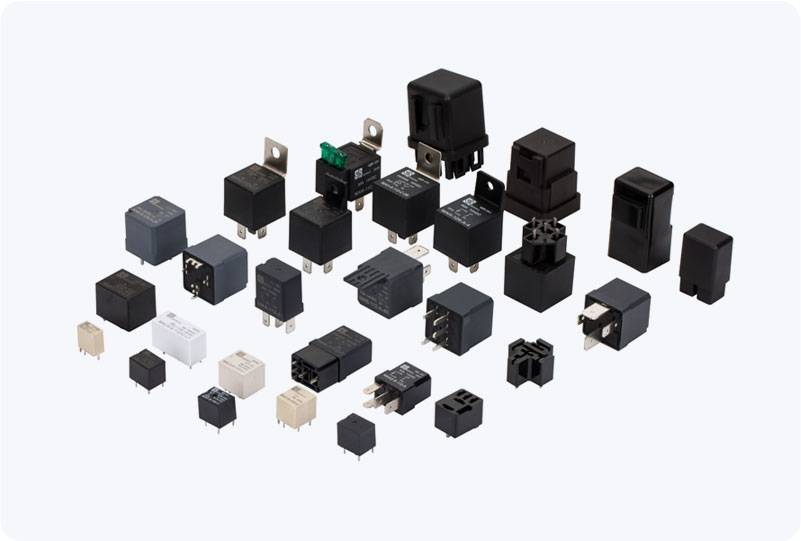
Functions of AC Motor Relay The primary function of an AC Motor Relay is to control the operation of an AC motor, turning it on and off based on external input signals. This is achieved by controlling the flow of electricity to the motor’s circuit. However, the functionality of an AC Motor Relay extends beyond just starting and stopping the motor. One of the most critical roles of the AC Motor Relay is its ability to protect the motor from overload situations. When the current flowing through the motor exceeds a certain threshold, the relay can automatically interrupt the circuit to prevent overheating and potential damage to the motor. This is typically achieved through the use of thermal or electromagnetic mechanisms within the relay.