The Electric Two-Seat Regulating Valve is a crucial component in modern control systems, commonly utilized in various industries to regulate the flow of fluids or gases. This device is designed to provide precise control over flow rates, ensuring that processes run smoothly and efficiently. It is widely used in applications such as HVAC systems, chemical processing, water treatment, and power generation. In this article, we will explore the essential features, working principles, and key applications of the Electric Two-Seat Regulating Valve.
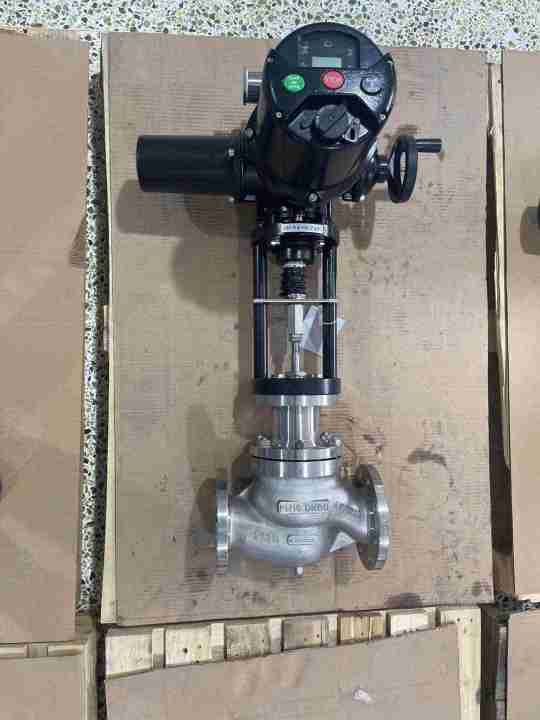
What is an Electric Two-Seat Regulating Valve? An Electric Two-Seat Regulating Valve is a type of valve that uses electric power to control the position of a valve plug inside two valve seats. This design allows for the regulation of fluid or gas flow in a pipeline or system. The electric actuator, which is connected to a control system, adjusts the valve opening according to the required flow rate, pressure, or temperature parameters. The “two-seat” feature refers to the valve’s construction, where the valve plug or disc is designed to seal against two separate seats to control the flow of the medium. This dual-seat design ensures a more stable flow control, reduces leakage, and improves the overall sealing performance of the valve. The electric actuator, controlled by a signal from the control system, provides precise and accurate control of the valve, making it ideal for applications requiring high performance and reliability.