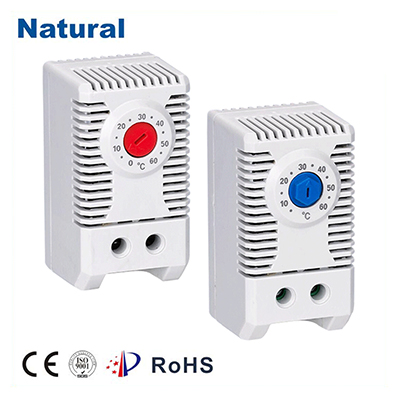
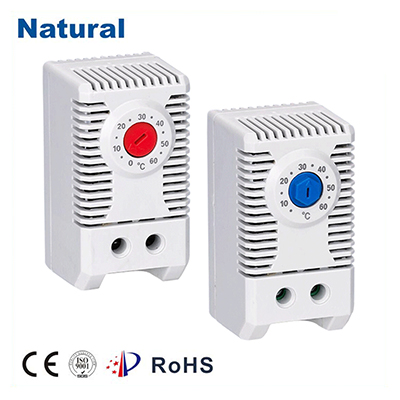
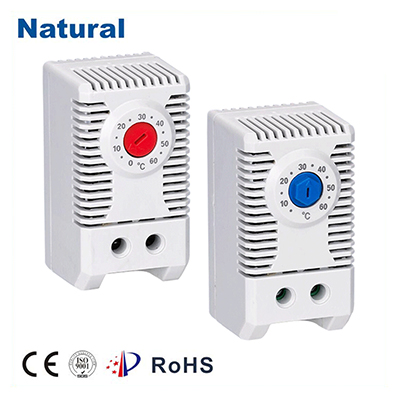
Bimetal thermostats are essential components used to regulate temperature in various devices and systems. These thermostats leverage the unique properties of two different metals bonded together, which expand and contract at different rates in response to temperature changes. This article explores the principles behind bimetal thermostats, their design, functionality, advantages, and applications in everyday life.
The Principle of Bimetallic Strips
At the heart of a bimetal thermostat is the bimetallic strip, which consists of two different metals that are securely bonded together. Typically, these metals are chosen due to their contrasting coefficients of thermal expansion, meaning they expand and contract at different rates when subjected to temperature fluctuations. Common metal pairs include brass and steel or copper and steel. When the temperature rises, the metal that expands more will curl away from the other metal. Conversely, when the temperature decreases, the reverse happens, causing the bimetallic strip to bend in the opposite direction. This movement can effectively open or close an electrical circuit, thus turning devices on or off to maintain the desired temperature.