Low-power relays have become a key component in a wide range of modern electronics, offering significant advantages in terms of energy efficiency, longevity, and reliability. As the demand for energy-efficient devices continues to grow, low-power relays are increasingly being used to meet these needs. This article delves into the functionality, benefits, and applications of low-power relays, highlighting their importance in today’s technology-driven world.
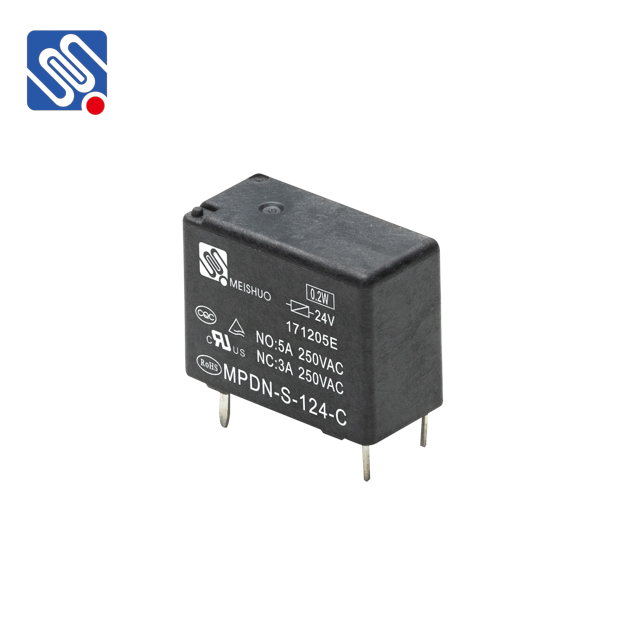
What is a Low-Power Relay? A low-power relay is a type of electromagnetic switch designed to operate with minimal electrical power. It differs from traditional relays, which require higher currents or voltages to activate their coils. Low-power relays are optimized to operate with reduced energy input, making them an ideal choice for energy-sensitive applications, particularly in battery-powered devices or energy-efficient systems. The core function of a relay is to control the flow of electricity to a circuit by opening or closing contacts. A low-power relay achieves this by using advanced materials and components that minimize power consumption while maintaining the ability to handle high-current or high-voltage switching. Typically, these relays use specialized coils, contacts, and mechanisms that allow them to function with lower power ratings, without compromising performance.