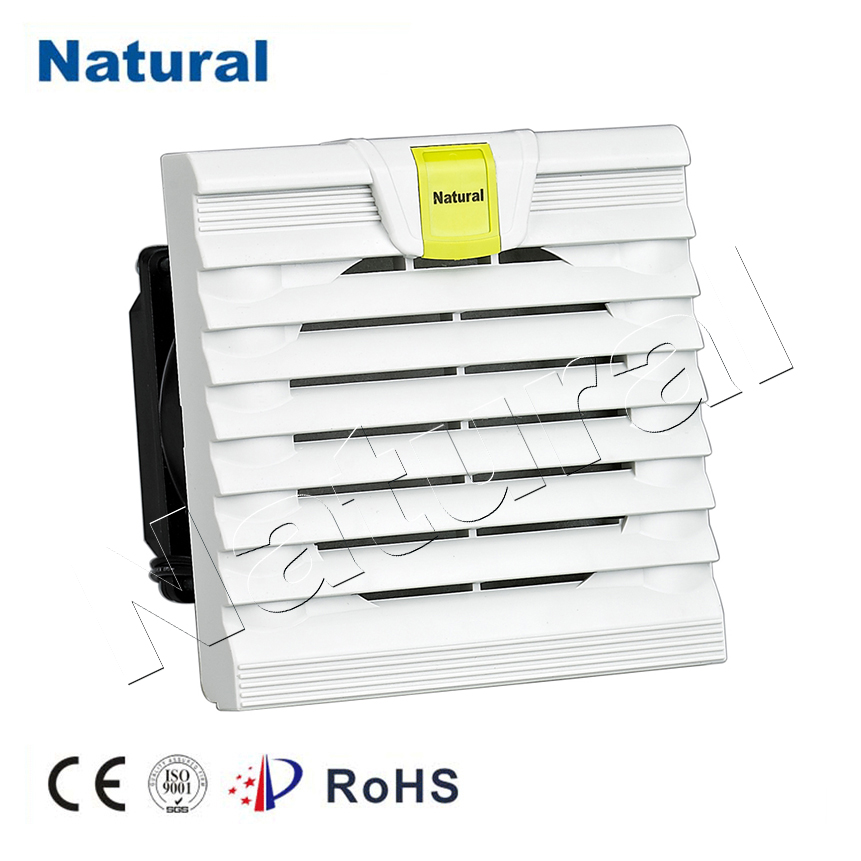
A cabinet filter is a crucial component in various industrial and commercial settings, playing an essential role in air purification and filtration. It is typically housed within a cabinet-like structure and is used to filter out harmful particles and contaminants from the air or other gases that pass through it. Whether in manufacturing environments, cleanrooms, or HVAC systems, the function of a cabinet filter cannot be overstated. In this article, we will explore the significance of cabinet filters, their operation, and why they are indispensable in maintaining air quality and workplace safety.
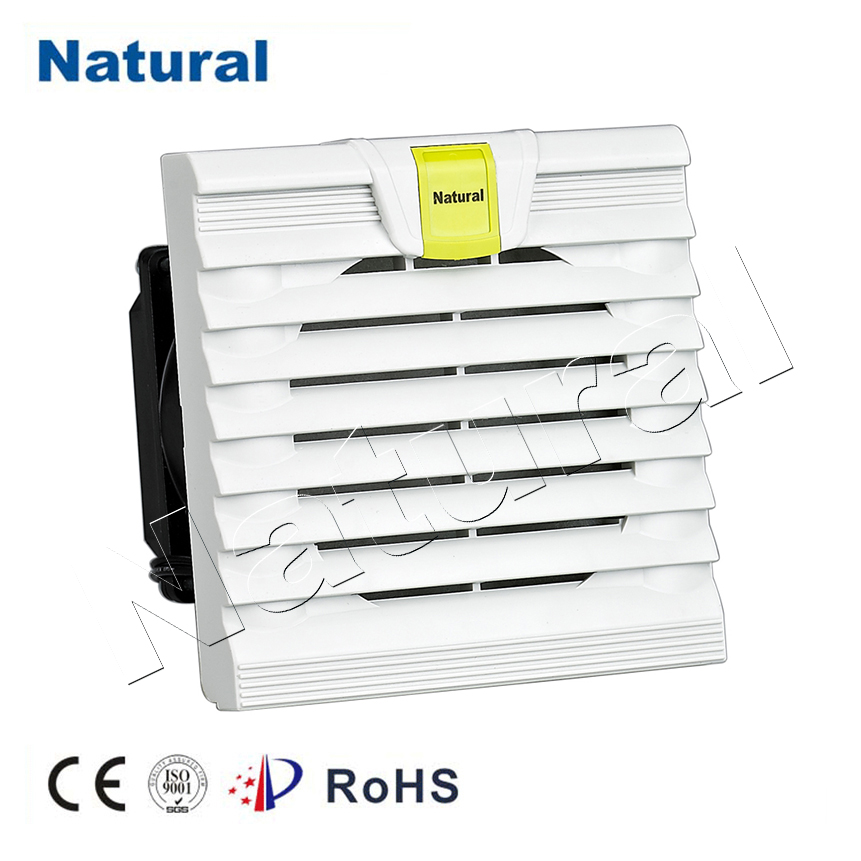
What Is a Cabinet Filter?
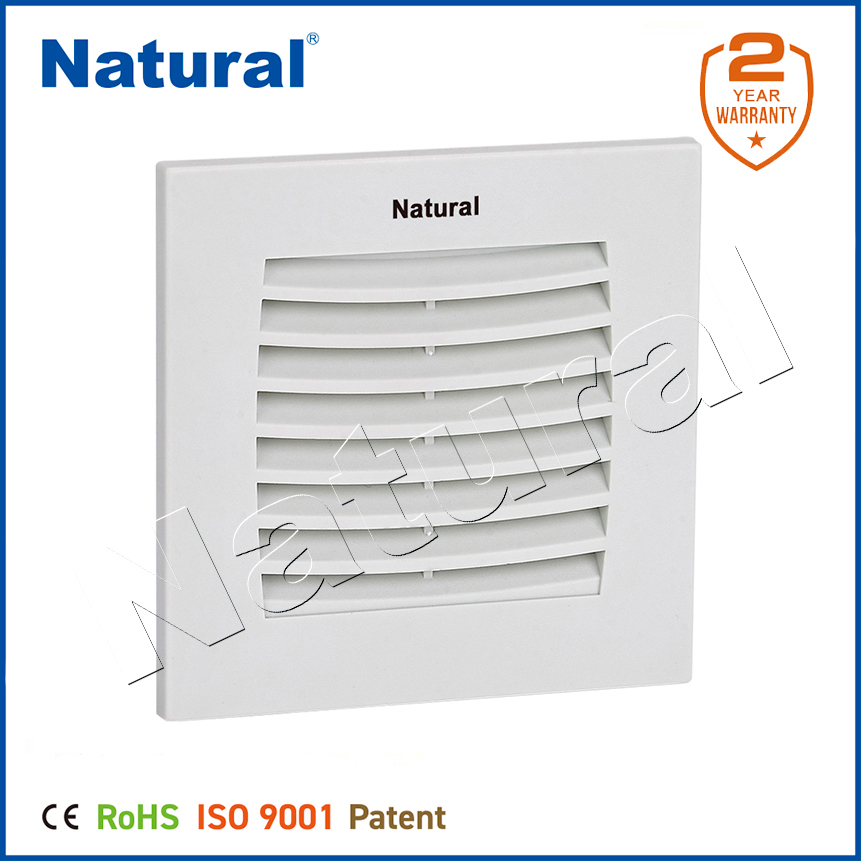
A cabinet filter is a type of air filtration device enclosed in a cabinet, designed to purify the air or gases circulating through a particular space. These filters are used to remove contaminants such as dust, pollen, smoke, mold spores, bacteria, and other particulate matter that can harm human health or affect the efficiency of industrial processes. The cabinet filter typically contains multiple filter elements, such as HEPA (High-Efficiency Particulate Air) filters, carbon filters, or electrostatic filters, depending on the specific application. The cabinet structure serves as a housing that ensures the filters are protected from external damage while keeping the surrounding environment safe from any potential leakage of harmful substances. Cabinet filters are highly versatile and can be installed in various settings, including laboratories, hospitals, factories, and even homes, to improve indoor air quality.